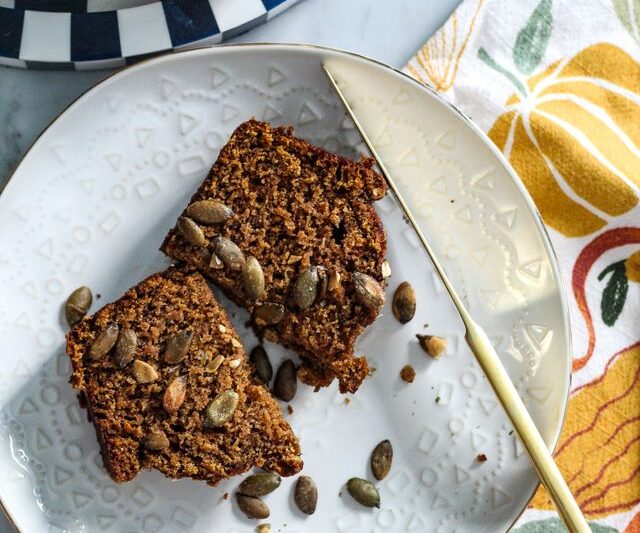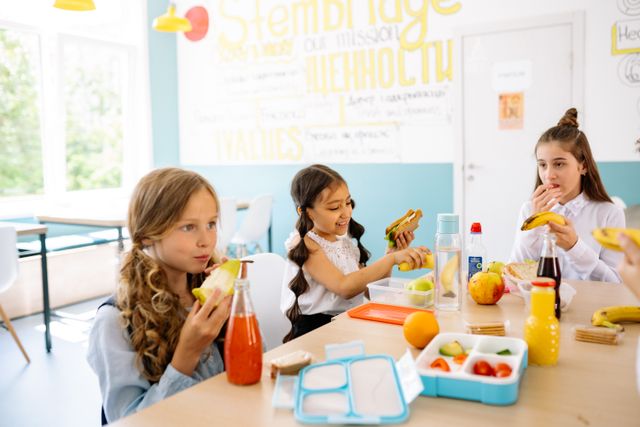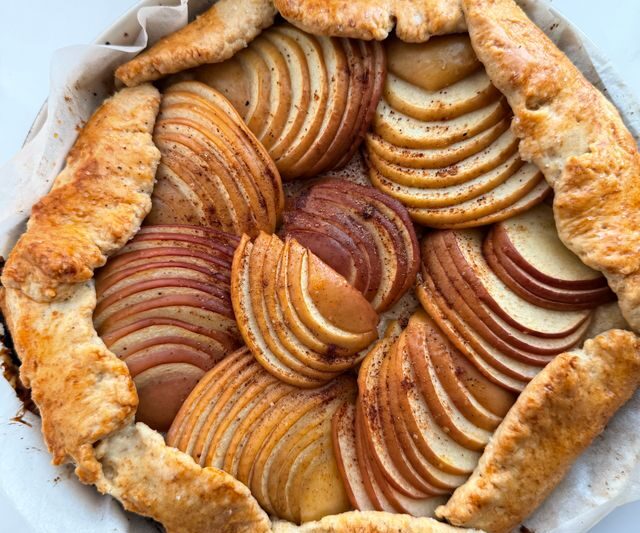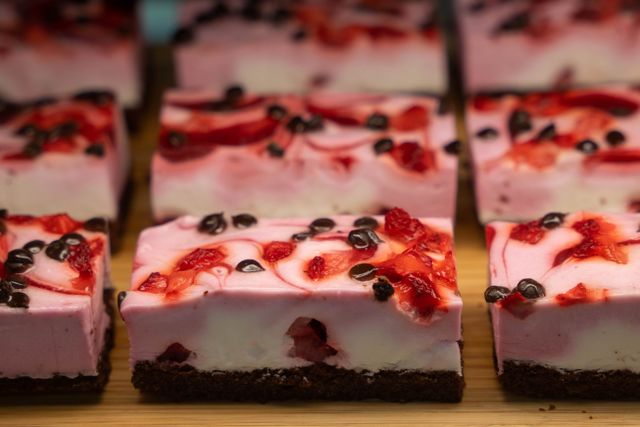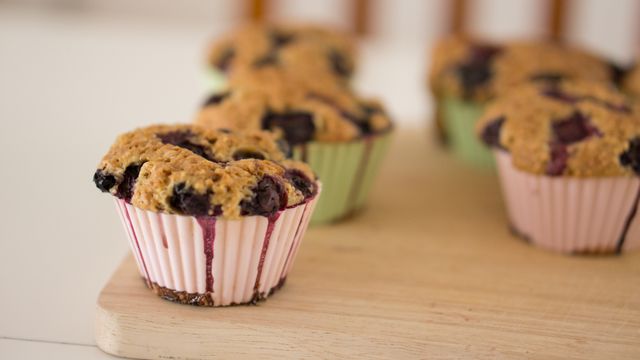
Discover simple, nutritious easy lunchbox snacks for kids with these lunchbox friendly muffin recipes and kid friendly snack bars recipe. Perfect make ahead school lunch snacks that are freezer friendly lunchbox snacks. Includes step-by-step instructions, variations, and storage tips for busy parents.
Table of Contents
Easy Lunchbox Snacks for Kids
Parents everywhere seek reliable options that deliver nutrition, convenience, and appeal for school days. These easy lunchbox snacks for kids combine wholesome ingredients into portable, tasty treats like muffins and bars. This guide provides everything needed to prepare healthy baked snacks for school that children love and parents trust.
The recipes focus on balance—offering sustained energy without excessive sugar—while remaining straightforward for home bakers. Whether preparing make ahead school lunch snacks or quick no mess lunchbox treats, these options simplify routines and support busy schedules.
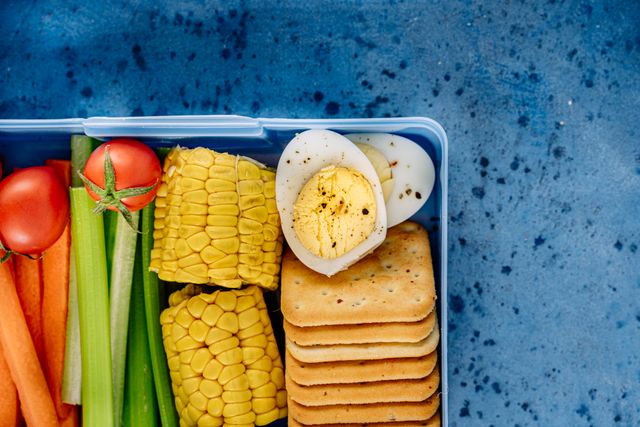
Why Easy Lunchbox Snacks for Kids Matter
School mornings move quickly, and nutritious choices help children stay focused and satisfied. Easy lunchbox snacks for kids bridge the gap between convenience and quality. Homemade versions control ingredients, avoid unnecessary additives, and incorporate fruits, vegetables, whole grains, and proteins for balanced fuel.
These snacks align with back to school baking ideas that emphasize portability and durability. They withstand transport without sogginess or crumbling and appeal to young palates while meeting dietary needs. Many qualify as these lunchbox snacks, allowing batch preparation on weekends for effortless weekdays.
Nutritionally, they provide complex carbohydrates for steady energy, fiber for digestion, and proteins for satiety. This approach reduces reliance on packaged items and supports healthier habits long-term.
Ingredient Science Behind These Recipes
Understanding ingredients elevates basic baking into reliable, nutritious results.
Oats form a foundation in many recipes. They supply beta-glucan soluble fiber that supports heart health and stabilizes blood sugar. Rolled oats provide chew and structure; oat flour adds tenderness.
Bananas act as natural sweeteners and binders. Their potassium aids muscle function, while mashed ripe bananas contribute moisture and subtle sweetness, reducing added sugars. Overripe bananas offer higher natural sugar content and better flavor integration.
Eggs deliver high-quality protein and lecithin for emulsification, creating tender crumbs. They help baked goods rise and hold shape, crucial for lunchbox durability.
Whole wheat flour or alternatives boost fiber and nutrients compared to refined versions. Blending with all-purpose flour prevents density while maintaining structure.
Natural sweeteners like maple syrup or honey provide trace minerals and lower glycemic impact than refined sugar. Maple syrup adds moisture and caramel notes.
Vegetables such as grated zucchini or carrots add moisture, vitamins (A and C), and fiber without overpowering flavors. Moisture from vegetables extends freshness.
Healthy fats from yogurt, nut butters (where allowed), or oils contribute satiety and aid nutrient absorption. Greek yogurt adds protein and tang while keeping batters moist.
These elements create healthy baked snacks for school that taste indulgent yet nourish effectively.
Lunchbox Friendly Muffin Recipe: Classic Banana Oat Muffins
This recipe serves as a versatile base. It yields 12 standard muffins or 24 mini muffins for kids lunch.
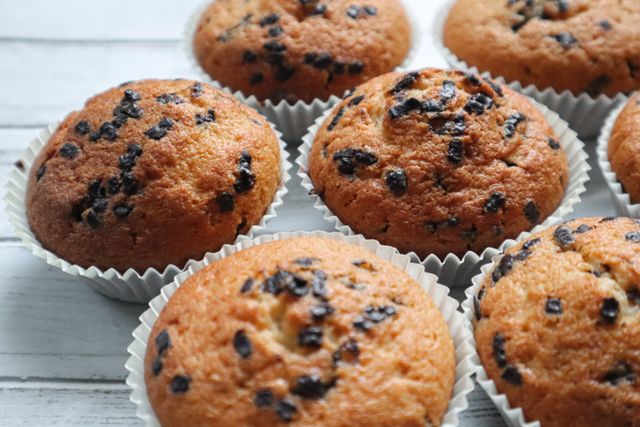
Classic Banana Oat Muffins (Lunchbox Friendly Muffin Recipe)
Ingredients
Method
- Preheat oven to 375°F (190°C). Line a muffin tin with paper liners or grease lightly.
- In a large bowl, mash the bananas thoroughly. Whisk in the eggs, maple syrup, oil, vanilla, and Greek yogurt until smooth.
- In a separate bowl, combine the rolled oats, whole wheat flour, all-purpose flour, baking soda, baking powder, salt, and cinnamon.
- Gently fold the dry ingredients into the wet ingredients until just combined. Avoid overmixing to prevent a tough texture. Fold in chocolate chips or walnuts if using.
- Divide the batter evenly among the muffin cups — about ¼ cup (60ml) per standard muffin, or 2 tablespoons (30ml) per mini muffin.
- Bake standard muffins for 18–22 minutes, or mini muffins for 12–15 minutes, until a toothpick inserted in the center comes out clean or with a few moist crumbs.
- Cool in the tin for 5 minutes, then transfer to a wire rack to cool completely before storing.
Notes
- Store at room temperature in an airtight container for 2–3 days, or refrigerate for up to 5–7 days.
- Freezes well for up to 2–3 months. Wrap individually before freezing for easy grab-and-go lunchbox packing.
- For a nut-free version, simply omit the walnuts or use sunflower seed butter-based mix-ins instead.
- For a gluten-free version, substitute a 1:1 gluten-free flour blend and certified gluten-free oats.
Ingredients (US / Metric)
- 3 medium ripe bananas, mashed (about 1 ½ cups / 340g)
- 2 large eggs (100g)
- ⅓ cup maple syrup (80ml)
- ¼ cup melted coconut oil or neutral oil (60ml)
- 1 teaspoon vanilla extract (5ml)
- 1 ½ cups rolled oats (150g)
- 1 cup whole wheat flour (120g)
- ½ cup all-purpose flour (60g)
- 1 teaspoon baking soda (5g)
- 1 teaspoon baking powder (4g)
- ½ teaspoon salt (3g)
- 1 teaspoon ground cinnamon (3g)
- ½ cup Greek yogurt (120g)
- Optional: ½ cup mini chocolate chips or chopped walnuts (85g) – check school policies
Step-by-Step Instructions
- Preheat oven to 375°F (190°C). Line a muffin tin with paper liners or grease lightly.
- In a large bowl, mash bananas thoroughly. Whisk in eggs, maple syrup, oil, vanilla, and Greek yogurt until smooth.
- In a separate bowl, combine rolled oats, flours, baking soda, baking powder, salt, and cinnamon.
- Gently fold dry ingredients into wet until just combined. Avoid overmixing to prevent tough texture. Fold in add-ins if using.
- Divide batter evenly: about ¼ cup (60ml) per standard muffin or 2 tablespoons (30ml) per mini.
- Bake standard muffins 18-22 minutes; minis 12-15 minutes. A toothpick should come out clean or with few moist crumbs.
- Cool in tin for 5 minutes, then transfer to a wire rack.
These muffins embody easy lunchbox snacks for kids with natural sweetness and hearty texture.
Homemade Granola Bars for Lunchbox: Chewy Oat and Fruit Version
Homemade granola bars for lunchbox offer chewy, customizable alternatives to muffins. This no-bake or lightly baked version yields 12-16 bars.
Ingredients (US / Metric)
- 2 ½ cups rolled oats (250g)
- ½ cup oat flour (50g)
- ½ cup honey or maple syrup (120ml)
- ⅓ cup almond butter or sunflower seed butter (85g)
- ¼ cup coconut oil, melted (60ml)
- 1 teaspoon vanilla extract (5ml)
- ½ cup dried fruit (raisins, cranberries, or chopped apricots) (75g)
- ½ cup seeds (pumpkin or sunflower) (70g)
- ¼ teaspoon salt (1.5g)
Step-by-Step Instructions
- Line an 8×8-inch (20×20 cm) pan with parchment paper, leaving overhang.
- In a large bowl, mix oats, oat flour, dried fruit, seeds, and salt.
- In a small saucepan or microwave-safe bowl, warm honey, nut butter, and coconut oil until smooth and pourable. Stir in vanilla.
- Pour wet mixture over dry ingredients. Stir until evenly coated.
- Press firmly into prepared pan using a spatula or bottom of a measuring cup for compact bars.
- For baked version: Bake at 350°F (175°C) for 15-20 minutes until lightly golden. For no-bake: Refrigerate 2 hours or until firm.
- Cool completely, then lift out and cut into bars.
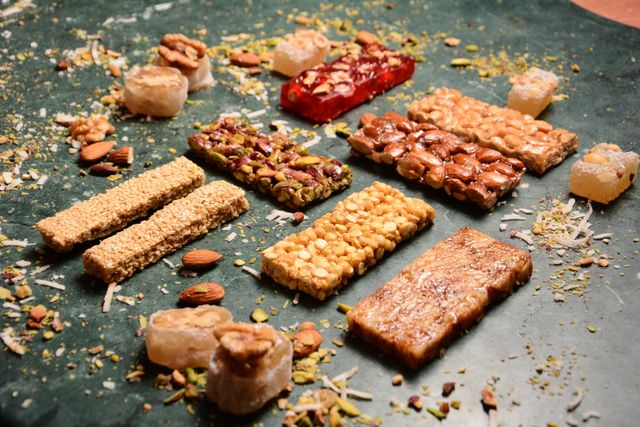
These qualify as kid friendly snack bars recipe—portable and satisfying.
Mini Muffins for Kids Lunch: Savory Veggie Cheese Option
Muffins for kids lunch provide savory variety. This recipe yields about 24 minis.
Ingredients (US / Metric)
- 1 ½ cups all-purpose flour (180g)
- ½ cup whole wheat flour (60g)
- 2 teaspoons baking powder (8g)
- ½ teaspoon salt (3g)
- 1 cup milk or buttermilk (240ml)
- 2 large eggs (100g)
- ¼ cup melted butter or oil (60ml)
- 1 cup grated zucchini, squeezed dry (150g)
- 1 cup shredded cheddar cheese (100g)
- ½ cup corn kernels (80g)
- Optional herbs: 1 teaspoon dried Italian seasoning
Step-by-Step Instructions
- Preheat oven to 400°F (200°C). Grease or line mini muffin tins.
- Whisk dry ingredients (flours, baking powder, salt) in one bowl.
- In another, whisk milk, eggs, and melted butter. Stir in zucchini, cheese, corn, and herbs.
- Combine wet and dry mixtures until just moistened.
- Fill each mini cup ¾ full (about 1 ½ tablespoons / 22ml).
- Bake 10-14 minutes until golden and a toothpick comes clean.
- Cool briefly before removing.
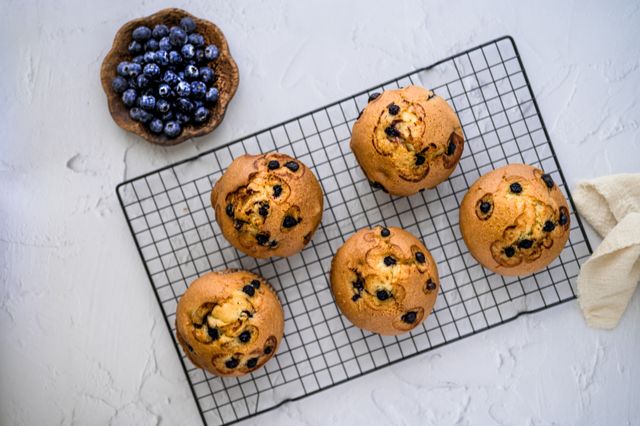
These baked snacks for school sneak in vegetables effectively.
Additional Easy Lunchbox Snacks For Kids
Expand options with these easy after school snack recipe variations built on core techniques. Apple cinnamon muffins or chocolate zucchini versions follow similar ratios with flavor swaps.
For bars, incorporate peanut butter (where safe) or coconut for tropical notes. Each builds on proven methods for consistent results.
Variations for Every Preference
Customize these easy lunchbox snacks for kids to suit tastes and needs:
- Gluten-Free: Substitute 1:1 gluten-free flour blend and certified gluten-free oats.
- Nut-Free: Use sunflower seed butter and omit nuts.
- Lower Sugar: Increase fruit purees and reduce sweeteners gradually.
- Vegan: Replace eggs with flax eggs (1 tbsp ground flax + 3 tbsp water per egg) and use plant-based yogurt/milk.
- Flavor Twists: Add blueberries, pumpkin puree with spices, or savory herbs and feta.
These adaptations maintain texture and appeal across dietary requirements.
Storage Tips for Freezer Friendly Lunchbox Snacks
Proper storage maximizes convenience. Cool items completely before storing to prevent condensation.
Room Temperature: Muffins and bars keep 2-3 days in airtight containers.
Refrigerator: Extend to 5-7 days, though texture may firm slightly.
Freezer: These Easy Lunchbox Snacks For Kids last 2-3 months. Wrap individually in plastic, then place in freezer bags. Label with dates.
Thawing: Place frozen items in lunchboxes in the morning—they thaw by snack time without sogginess. For muffins, reheat briefly in a microwave (10-15 seconds) if desired. Bars thaw at room temperature.
Avoid overcrowding containers to prevent sticking or crushing.
Building a Weekly Snack Rotation That Actually Works
One of the biggest challenges parents face is not the recipes themselves but keeping up the routine week after week. A rotation system solves this problem by turning batch baking into a predictable habit rather than a last-minute scramble.
Start by picking two baking days per month rather than trying to bake fresh every week. A Sunday afternoon spent making a double batch of muffins alongside a batch of granola bars can supply snacks for two full weeks when stored properly in the freezer. This approach to easy lunchbox snacks for kids removes the daily decision fatigue that leads most parents back to store-bought packets.
A simple rotation might look like this: Monday and Tuesday pull from the freezer stash, Wednesday features a fresh-baked item if time allows, and Thursday and Friday rotate between the remaining frozen options. Mixing formats matters too. Sending the same banana muffin five days running gets old fast for a child, so alternating between a sweet muffin, a savory mini muffin, and a chewy granola bar across the week keeps lunchboxes interesting without adding extra baking days.
Keep a simple running list on the fridge or phone noting what is currently in the freezer and roughly how many portions remain. This small habit prevents the Sunday night surprise of an empty snack drawer and turns meal prep into a five-minute planning task instead of a stressful one.
For families managing multiple children with different tastes or allergy needs, batch baking two smaller recipes rather than one large one often works better than trying to make a single snack that satisfies everyone. A half batch of the veggie cheese muffins alongside a half batch of the oat granola bars covers both a savory preference and a sweet one without doubling the workload.
Portion Sizes by Age Group
Getting portion sizes right matters both for reducing food waste and for making sure snacks actually satisfy hunger between meals. Baked lunchbox snacks are easy to scale, but the right size differs meaningfully by age.
For children aged four to six, a single mini muffin or one small bar (roughly 20-25 grams) paired with a piece of fruit is typically enough for a mid-morning snack. Their smaller stomachs and shorter school days mean oversized portions often come back home untouched.
Children aged seven to ten generally do well with one standard muffin or two mini muffins, or one full-size granola bar. This age group is often more physically active during the day and benefits from the added carbohydrates and protein for sustained energy through afternoon classes or activities.
For preteens and older children aged eleven and up, especially those involved in after-school sports, doubling the portion (two standard muffins or two bars) may be appropriate, particularly on days with longer gaps between lunch and dinner.
These are starting points rather than fixed rules. Watching what actually comes back in the lunchbox over a week or two is the most reliable way to calibrate portions for an individual child, since appetite varies significantly even within the same age group.
Packing Techniques That Keep Snacks Fresh Until Lunchtime
Even the best-baked snack loses appeal if it arrives crushed, soggy, or dried out by lunchtime. A few packing habits make a noticeable difference.
Rigid, divided lunchboxes protect baked items far better than soft bags, since muffins and bars can get crushed under heavier items like water bottles or fruit. Placing baked snacks in their own small compartment or a hard silicone cup prevents this even in a packed bag.
For frozen items being packed straight from the freezer, wrapping in a beeswax wrap or parchment rather than plastic film allows a small amount of airflow, which helps prevent condensation from forming as the snack thaws. That condensation is often the real cause of a soggy muffin bottom, not the recipe itself.

An ice pack placed directly next to dairy-containing muffins (particularly the cheese and yogurt-based recipes above) is worth the extra step in warmer months, both for freshness and food safety, since these items sit at room temperature for several hours before lunch.
Granola bars hold up better than muffins in warm weather or longer commutes, since their lower moisture content makes them less prone to sogginess. On particularly hot days or during longer school trips, leaning toward bars over muffins is a simple way to guarantee a better eating experience by lunchtime.
Getting Kids Involved in the Baking Process
Children are considerably more likely to eat a snack they had a hand in making, and involving them in these recipes doubles as a practical way to introduce basic kitchen skills.
Mashing bananas, measuring oats, or stirring in mix-ins like chocolate chips or dried fruit are all tasks manageable for children as young as four or five with supervision. For slightly older children, letting them choose which mix-ins go into a batch, or which of two flavor variations to make that week, builds a sense of ownership over what ends up in their lunchbox.
This involvement also opens a natural opportunity to talk about where ingredients come from and why certain choices, like using whole wheat flour or reducing added sugar, matter for their energy through the school day. Framing it as “helping make lunch” rather than a lecture on nutrition tends to land far better with young children.
Setting up a simple, repeatable baking routine, such as a Sunday afternoon baking hour, also gives kids something to look forward to rather than treating lunch prep as a chore handled entirely by a parent. Over time, many families find their child develops genuine preferences and even suggests new variations, which naturally expands the rotation of easy lunchbox snacks for kids without extra research or planning on the parent’s side.
Common Mistakes to Avoid
Even simple recipes benefit from attention to detail:
- Overmixing Batter: Develops gluten and yields dense, tough muffins. Stir until just combined.
- Incorrect Measurements: Spoon and level flour; pack brown sugar if used. Inaccurate amounts affect moisture and rise.
- Skipping Cooling: Hot items sweat in containers, leading to sogginess. Always cool on racks.
- Overfilling Tins: Causes overflow and uneven baking. Fill ¾ full for proper rise.
- Ignoring Oven Variations: Use an oven thermometer; adjust time as needed.
- Adding Wet Add-Ins Without Adjustment: Pat dry fruits/vegetables to avoid excess moisture.
Avoiding these ensures consistent, appealing no mess lunchbox treats.
5 FAQs
1. How far in advance can I prepare these easy lunchbox snacks for kids?
Prepare up to 3 months ahead when frozen. Bake fresh batches weekly for optimal texture.
2. Are these recipes suitable for nut-free schools?
Yes—many versions use seed butters or omit nuts entirely. Always confirm ingredients against school guidelines.
3. Can I make these gluten-free or dairy-free?
Absolutely. Use appropriate substitutions as outlined in the variations section while maintaining ratios.
4. What makes these healthier than store-bought options?
Homemade versions control sugar, incorporate whole grains and produce, and avoid artificial additives for better nutrition.
5. How do I prevent muffins from sticking or bars from crumbling?
Use quality liners or parchment, press bars firmly, and avoid overbaking. Proper cooling also helps.
These easy lunchbox snacks for kids transform meal prep routines with reliable, appealing results. The combination of lunchbox friendly muffin recipe, snack bars recipe, and supporting techniques provides variety throughout the school year. Experiment with flavors while relying on core methods for success.
Batch cooking on weekends creates stress-free mornings and happy children. These baked snacks for school and make ahead school lunch snacks deliver taste, nutrition, and convenience in every bite.