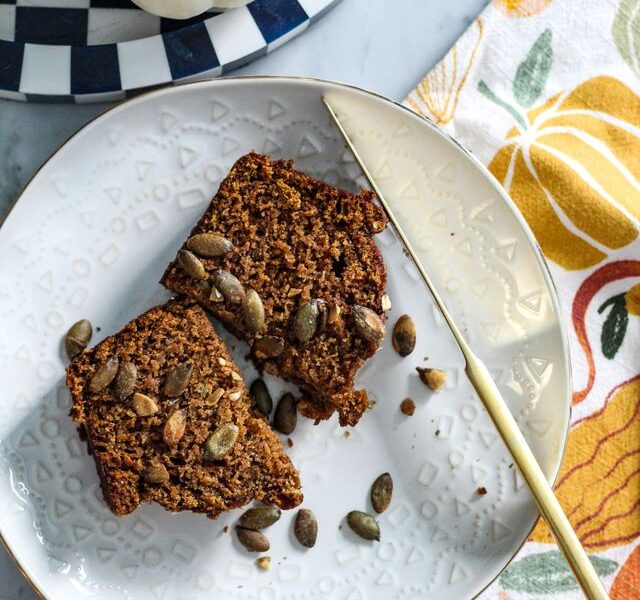
Master the best eggless pumpkin bread with this detailed easy eggless pumpkin bread recipe. Enjoy moist texture, dairy-free options, and perfect spice balance in a soft homemade loaf every time.
Table of Contents
Eggless Pumpkin Bread
Eggless pumpkin bread offers the classic taste of fall spices and pure pumpkin in a tender, aromatic loaf that needs no eggs. This quick bread uses chemical leaveners, moisture-rich pumpkin puree, and balanced fats and sugars to create structure and softness without traditional binders. Bakers looking for allergen-friendly options or simpler methods find eggless pumpkin bread reliable and satisfying. The finished loaf is golden, fragrant, and stays soft for days.
Pumpkin puree supplies natural pectin and water-binding capacity that helps replace the emulsifying and structural roles eggs normally play. Combined with baking soda or baking powder and a touch of acid, the batter rises evenly and develops a soft interior. Warm spices bloom in the oven, filling the kitchen with cinnamon, nutmeg, ginger, and clove notes. Whether made with dairy or adapted to plant-based ingredients, eggless pumpkin bread meets everyday needs and special dietary requirements.
This guide covers ingredient functions, precise measurements in both US and metric units, clear instructions, useful variations, storage methods, and common pitfalls. The focus remains consistent production of high-quality eggless pumpkin bread suitable for home kitchens.
Eggless Pumpkin Bread
Ingredients
Method
- Preheat and prep pan: Position an oven rack in the center and preheat the oven to 350°F (175°C). Lightly grease a 9×5-inch loaf pan and line it with a parchment paper sling for easy removal.
- Whisk dry ingredients: In a medium bowl, whisk together the flour, baking soda, baking powder, salt, cinnamon, nutmeg, ginger, and cloves until evenly combined.
- Whisk wet ingredients: In a large bowl, whisk the pumpkin puree, granulated sugar, brown sugar, oil, milk, vanilla, and vinegar together for 45-60 seconds until smooth.
- Combine batter: Add the dry ingredients to the wet mixture. Fold gently with a rubber spatula just until no dry flour streaks remain. The batter will be thick but pourable — avoid overmixing.
- Fill the pan: Scrape the batter into the prepared pan and smooth the top. For a classic bakery-style split, run a thin knife or offset spatula down the center of the batter.
- Bake: Bake for 55-65 minutes. Begin checking at 55 minutes — a toothpick inserted in the center should come out with a few moist crumbs, and internal temperature should read 200-205°F (93-96°C).
- Cool and slice: Cool the loaf in the pan on a wire rack for 15 minutes, then lift it out using the parchment sling and cool completely before slicing.
Notes
Why Eggless Pumpkin Bread Succeeds Without Eggs
Traditional pumpkin bread relies on eggs for structure, emulsification, and some leavening. In eggless pumpkin bread these roles shift. Pumpkin puree contains starches and fibers that gelatinize during baking and trap air and moisture. Chemical leaveners generate carbon dioxide. Fats coat flour proteins to limit gluten development and keep the crumb tender. Sugars attract and hold water for lasting moisture.
Without eggs the batter tolerates gentle mixing and still produces a fine crumb. Acidity from vinegar, lemon juice, or cultured dairy activates baking soda for extra lift. These interactions allow eggless pumpkin bread to rise into a pleasing dome with an open yet soft interior. Flavor stays full and balanced—earthy pumpkin sweetness paired with warm spice and caramel notes from brown sugar.
Ingredient Science for Reliable Results
Pumpkin puree forms the foundation. Canned pure pumpkin (not pie filling) provides water, soluble fiber, and starch. During baking the starch gelatinizes and creates a supportive gel network. Fiber absorbs free water so the loaf stays moist without becoming soggy.

All-purpose flour with 10–12 percent protein works best. Higher-protein flour can toughen the crumb; lower-protein flour may make it fragile. Gentle mixing limits gluten development and preserves tenderness.
Baking soda needs acid to release carbon dioxide. Baking powder contains both bicarbonate and acid and releases gas in stages. A combination of both leaveners usually gives the most dependable rise in eggless pumpkin bread.
Oil creates a uniformly moist crumb because it stays liquid and disperses evenly. Melted butter adds flavor. For dairy-free versions, neutral oils such as canola or refined coconut oil perform well. Sugars sweeten, bind water, and support browning through the Maillard reaction. Brown sugar also contributes mild acidity and extra moisture retention.
Spices deliver aroma through volatile oils. Freshly ground spices retain more flavor. Salt enhances sweetness perception and balances the spice profile. Room-temperature liquids help the batter emulsify smoothly.
Essential Ingredients and Exact Measurements
This formula makes one standard 9 × 5-inch (23 × 13 cm) loaf.
Dry Ingredients
- 1¾ cups (220 g) all-purpose flour
- 1 teaspoon (5 g) baking soda
- ½ teaspoon (2 g) baking powder
- ½ teaspoon (3 g) fine sea salt
- 1½ teaspoons (4 g) ground cinnamon
- ½ teaspoon (1 g) ground nutmeg
- ½ teaspoon (1 g) ground ginger
- ¼ teaspoon (0.5 g) ground cloves
Wet Ingredients
- 1 cup (240 g) pure pumpkin puree
- ¾ cup (150 g) granulated sugar
- ½ cup (100 g) packed light brown sugar
- ½ cup (120 ml) neutral oil
- ¼ cup (60 ml) milk or plant-based milk, room temperature
- 1 teaspoon (5 ml) pure vanilla extract
- 1 tablespoon (15 ml) apple cider vinegar or lemon juice
Optional mix-ins: ½ cup (85 g) chocolate chips, ½ cup (60 g) chopped toasted nuts, or ½ cup (75 g) dried cranberries.
This combination produces moist eggless pumpkin bread with balanced sweetness and clear spice flavor. The vinegar reacts with baking soda for immediate lift while baking powder supports sustained rise.
Equipment Needed
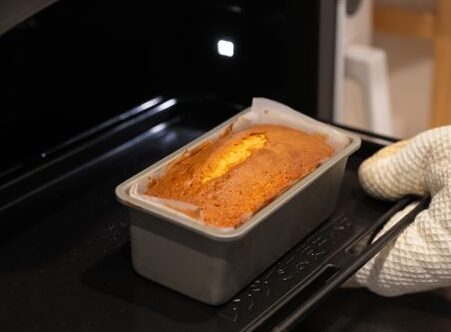
A 9 × 5-inch (23 × 13 cm) metal loaf pan promotes even browning. Parchment paper with overhanging edges allows easy removal. A large mixing bowl, whisk, rubber spatula, cooling rack, and oven thermometer complete the setup. A digital scale improves accuracy when converting between volume and weight.
Step-by-Step Instructions for this Recipe
Position an oven rack in the center and preheat to 350 °F (175 °C). Lightly grease the loaf pan and line it with a parchment sling.
In a medium bowl whisk the flour, baking soda, baking powder, salt, cinnamon, nutmeg, ginger, and cloves until evenly combined.
In a large bowl whisk the pumpkin puree, granulated sugar, brown sugar, oil, milk, vanilla, and vinegar for 45–60 seconds until smooth.
Add the dry ingredients to the wet mixture. Fold gently with a rubber spatula just until no dry flour remains. The batter will be thick but pourable. Overmixing develops gluten and can create toughness.
Fold in any mix-ins with the final strokes. Scrape the batter into the prepared pan and smooth the top. For a classic split, run a thin knife down the center.
Bake 55–65 minutes. Begin checking at 55 minutes. A wooden skewer inserted in the center should come out with a few moist crumbs. Internal temperature should reach 200–205 °F (93–96 °C). The top will be deep golden brown.
Cool the pan on a wire rack for 15 minutes, then lift the loaf out and cool completely before slicing. This easy eggless pumpkin bread recipe produces a soft, evenly textured loaf with rich flavor and minimal cleanup.
Achieving Moist Texture Every Time
Moisture comes mainly from pumpkin puree, oil, and brown sugar. Avoid overbaking, which drives off water and dries the crumb. An accurate oven temperature and proper doneness testing prevent this issue. Underbaking leaves the center dense because starches have not fully set. The target internal temperature of 200–205 °F (93–96 °C) ensures both structure and moisture.
Cool the loaf completely so residual heat redistributes moisture evenly. Proper storage later keeps the crumb soft for days. Following these points yields consistently moist eggless pumpkin bread.
Adjusting for Different Pan Sizes and Baking Times
Not everyone keeps a standard 9×5-inch loaf pan on hand, and using whatever pan is available without adjusting the baking time is one of the most common reasons a loaf turns out underbaked in the center or overly dry around the edges. Since batter depth directly affects how heat travels through the loaf, even a small change in pan size changes how long this eggless pumpkin bread needs in the oven.
If using an 8×4-inch pan: The batter will sit noticeably deeper in a smaller pan, which means the center takes longer to cook through while the edges risk overbrowning before that happens. Reduce the oven temperature slightly, to around 325°F (163°C), and expect the bake time to stretch by 10 to 15 minutes beyond the original range. Tenting the loaf loosely with foil after the first 30 minutes helps prevent the top from over-darkening while the center finishes setting.
If using a 10×5-inch or larger pan: A wider, shallower pan spreads the batter thinner, so it bakes faster and can dry out if left in for the full original time. Start checking for doneness at least 10 minutes earlier than the recipe states, and keep a close eye on the top color, since it will brown faster in a shallower layer.
If using two mini loaf pans instead of one standard pan: Mini loaves bake considerably faster because there’s less batter mass for the heat to penetrate. Begin checking around the 30-minute mark rather than waiting for the full 55 minutes, since overbaking is the biggest risk with smaller portions.
If using a bundt or tube pan: The central tube allows heat to reach the middle of the batter from an additional direction, which usually shortens the bake time compared to a solid loaf pan. Start testing for doneness around 40 to 45 minutes, and rely on the toothpick test rather than the clock, since bundt pans vary more in how evenly they distribute heat depending on their material and thickness.
A general rule for any pan substitution: The toothpick and internal temperature checks matter more than the stated time in any of these situations. Time ranges in a recipe are written for a specific pan size and oven; changing the pan changes the physics of how the batter heats, even if every ingredient stays exactly the same. Keeping an instant-read thermometer nearby removes most of the guesswork — regardless of the pan used, this eggless pumpkin bread is fully baked once the center reaches 200–205°F (93–96°C).
One more detail worth noting: darker, non-stick pans absorb and hold heat differently than light-colored aluminum pans, which is why two people using the “same” recipe in different pans sometimes get different results even when they’ve followed every step correctly. If a loaf consistently turns out darker on the outside than expected, switching to a lighter-colored pan, or lowering the oven temperature by about 15°F, usually resolves it.
Vegan and Dairy-Free Adaptations
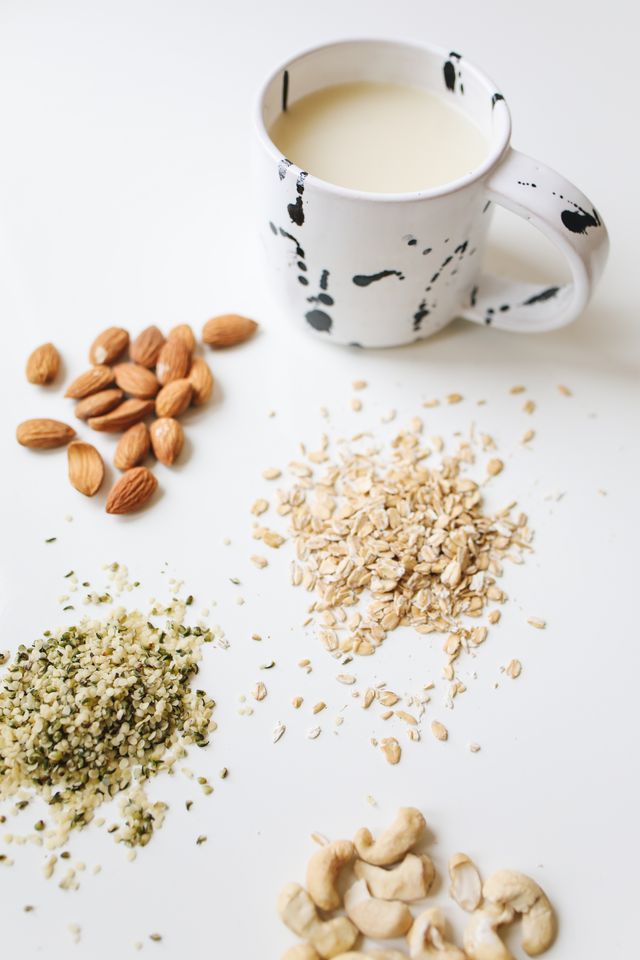
For a vegan pumpkin bread recipe, replace dairy milk with any unsweetened plant milk (soy, oat, or almond). Confirm the oil and sugars are free of animal products. The rest of the formula stays the same. Vinegar continues to activate the baking soda, and pumpkin puree provides binding. The resulting vegan pumpkin bread recipe tastes and feels identical to the original version.
Dairy free eggless pumpkin bread follows the same plant-milk substitution. Choose unsweetened, unflavored varieties. If the batter seems too thick, add an extra tablespoon of plant milk. Dairy free eggless pumpkin bread maintains good rise and a tender crumb.
Healthier Adjustments
A healthy eggless pumpkin bread version reduces refined sugar by about one-third and replaces the volume with extra pumpkin puree or unsweetened applesauce. A blend of all-purpose and white whole-wheat flour increases fiber. One tablespoon (7 g) of ground flaxseed added to the dry ingredients contributes extra binding and nutrition. These changes create a healthier loaf while keeping acceptable tenderness and flavor. Spices can be increased slightly to offset reduced sweetness. This approach still delivers satisfying healthy eggless pumpkin bread.
One-Bowl Method Advantages
The one bowl eggless pumpkin bread technique simplifies preparation. Wet ingredients combine first, then dry ingredients fold in. This sequence limits gluten development because flour hydrates only briefly. Careful folding remains essential, but the method reduces dishes and still produces excellent results. One bowl eggless pumpkin bread is ideal when time or cleanup space is limited.
Building Flavor in Eggless Pumpkin Spice Bread
Eggless pumpkin spice bread benefits from a balanced blend of cinnamon with supporting nutmeg, ginger, and cloves. Freshly ground spices offer stronger aroma. Blooming the spices in the measured oil for a few minutes before mixing releases more flavor compounds. Vanilla and a pinch of salt round the profile. Proper baking develops Maillard browning on the crust that deepens overall taste. These steps create well-rounded eggless pumpkin spice bread.
Creating a Soft Crumb
A soft eggless pumpkin loaf depends on controlled gluten formation, adequate fat, and correct moisture. Whisking the dry ingredients aerates them. Folding rather than vigorous stirring prevents long gluten strands. Oil coats proteins and limits toughness. Sufficient sugar and pumpkin keep the crumb pliable. Avoiding overbaking and slicing only after full cooling preserve the soft texture of the soft eggless pumpkin loaf.
Choosing the Best Formula
The best eggless pumpkin bread balances moisture, structure, spice, and sweetness. The formula here uses dual leaveners, a moderate sugar level, oil for lasting softness, and a classic spice blend. Roughly 1 cup (240 g) puree to 1¾ cups (220 g) flour yields ideal density. Small adjustments for oven performance or humidity may be needed, but the core ratios remain reliable. This approach produces the best eggless pumpkin bread for most home bakers.
Quality Markers for Homemade Egg Free Pumpkin Bread
High-quality homemade egg free pumpkin bread shows a domed, evenly browned top with a natural crack. The crumb is fine, moist, and free of large tunnels. Flavor features clear pumpkin and spice without metallic notes from excess leavener. The loaf slices cleanly and stays soft for several days when stored properly. Aroma should be fragrant and inviting.
Popular Variations
Chocolate Chip Fold ¾ cup (130 g) semisweet or dark chocolate chips into the finished batter.
Nut Toast ¾ cup (90 g) chopped pecans or walnuts, cool, and fold in.
Cranberry Orange Add 1 tablespoon (6 g) orange zest to the wet ingredients and fold in ¾ cup (90 g) dried cranberries.
Maple Replace half the granulated sugar with pure maple syrup (6 tablespoons / 90 ml) and reduce milk by 2 tablespoons (30 ml).
Gluten-Free Use a 1:1 gluten-free flour blend containing xanthan gum. Baking time may increase by 5–8 minutes.
Muffins or Mini Loaves Bake muffins at 350 °F (175 °C) for 18–22 minutes or mini loaves for 30–35 minutes.
Each variation keeps the structure of the original eggless pumpkin bread while adding new flavor.
Storage Tips
Cool the loaf completely before wrapping. Residual heat creates condensation that softens the crust and encourages mold. Once cool, wrap tightly in plastic wrap or place in an airtight container. Store at cool room temperature up to four days. For longer storage, slice, wrap well, and freeze up to three months. Thaw at room temperature or toast from frozen. Refrigeration is not recommended because it speeds staling.
To refresh day-old slices, warm them in a 300 °F (150 °C) oven for 5–8 minutes.
Common Mistakes to Avoid with Pumpkin Bread Without Eggs
Using pumpkin pie filling instead of pure puree adds unwanted sugar and spices. Always check the label.
Overmixing develops gluten and creates a tough crumb with tunnels. Fold only until the flour disappears.
Inaccurate oven temperature causes under- or overbaking. Use an independent thermometer.
Opening the oven door early can collapse the loaf. Wait until near the end of baking before testing.
Packing flour into the measuring cup adds too much and dries the loaf. Spoon and level or, better, weigh the flour.
Skipping the acid (vinegar or lemon juice) reduces rise and may leave a soapy taste.
Slicing while warm compresses the crumb and makes it gummy. Cool completely first.
Cold ingredients can cause poor emulsification. Bring refrigerated items to room temperature.
These points help produce successful pumpkin bread without eggs.
Serving Ideas
Serve thick slices plain, toasted, or spread with butter, cream cheese, or nut butter. Pair with tea, coffee, or spiced cider. For breakfast, add yogurt and fruit. The spice profile also complements sharp cheese for a savory-sweet contrast.

Frequently Asked Questions
Can the batter be baked as muffins?
Yes. Divide among 12 muffin cups and bake at 350 °F (175 °C) for 18–22 minutes until a toothpick shows a few moist crumbs.
What can replace pure pumpkin puree?
Cooked and pureed butternut squash or sweet potato works in equal weight. Drain excess liquid to match canned pumpkin consistency.
Why did the center sink?
Possible causes include opening the oven too early, expired leaveners, excess liquid, or underbaking. Check leavener freshness and avoid disturbing the oven during the first 45 minutes.
How can sugar be reduced?
Cut total sugar by up to one-third and replace the volume with extra pumpkin or applesauce. Increase spices slightly to maintain flavor. Rise remains reliable.
Can the batter be mixed ahead?
Dry and wet ingredients can be prepared separately and refrigerated overnight. Combine just before baking. Fully mixed batter can rest a few hours in the refrigerator; expect a slightly denser rise.
This streamlined approach to eggless pumpkin bread delivers moist, flavorful results with clear technique and reliable ratios. The variations and adaptations make the formula flexible for different needs while remaining practical for regular baking.