Discover this cardamom sourdough bread recipe for a fragrant, tangy loaf perfect for breakfast or sandwiches. Includes step-by-step instructions, science behind the ingredients, variations like sourdough cardamom loaf with raisins, and expert tips for homemade cardamom bread success.
Table of Contents
Cardamom Sourdough Bread: A Spiced Delight for Your Table
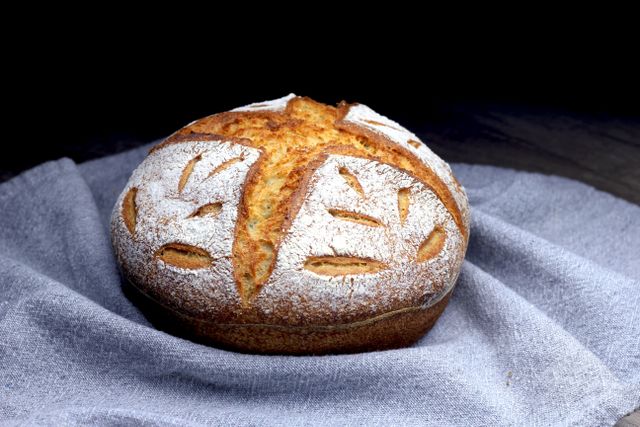
Cardamom sourdough bread combines the tangy depth of naturally leavened dough with the warm, aromatic spice of cardamom. This spiced sourdough bread delivers a beautifully open crumb, crisp crust, and subtle sweetness that elevates everyday baking. Whether seeking an easy cardamom sourdough bread for beginners or exploring advanced variations, this guide provides everything needed for consistent results at home.
The recipe focuses on balance—cardamom’s floral notes complement sourdough’s natural acidity without overpowering it. Home bakers appreciate how this cardamom sourdough loaf transforms simple ingredients into something special for toast, French toast, or sandwiches.
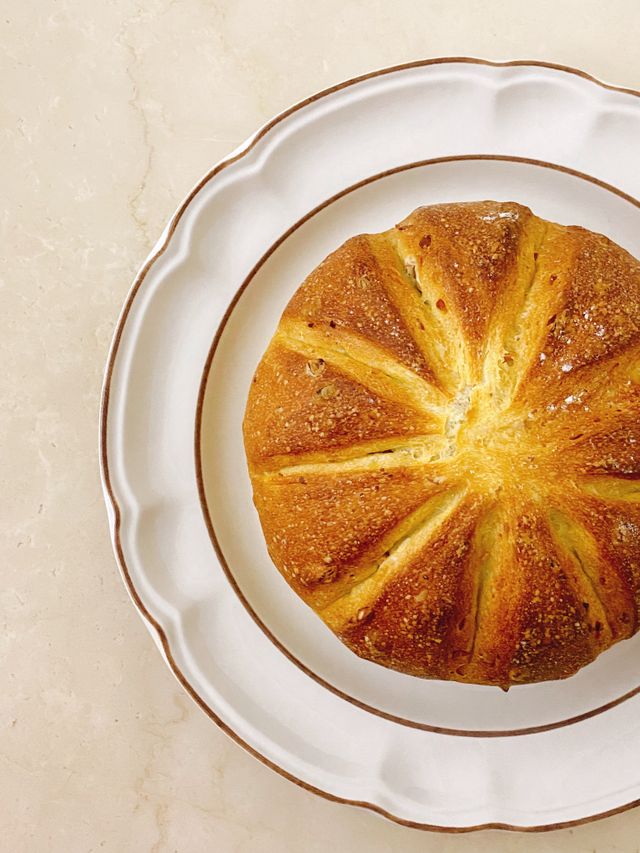
Cardamom Sourdough Bread
Ingredients
Method
- Prepare the levain. Mix the sourdough starter, flour, and water in a clean jar. Cover loosely and let ferment at room temperature until doubled in volume and full of bubbles, 4 to 6 hours.
- Autolyse the flours. Combine the bread flour and whole wheat flour with water in a large bowl. Mix until no dry flour remains. Cover and rest 30 to 60 minutes to hydrate fully.
- Mix the dough. Add the levain, salt, cardamom, and honey to the autolysed mixture. Squeeze and fold with wet hands until fully incorporated, 5 to 8 minutes. Target dough temperature of 76 to 78°F (24 to 26°C).
- Bulk fermentation. Rest 30 minutes, then perform 4 to 6 sets of stretch and folds every 30 to 45 minutes for the first 2 to 2.5 hours. If using raisins, fold them in during the first couple of sets. Continue bulk fermentation for a total of 4 to 7 hours until the dough increases 50 to 75 percent in volume and jiggles slightly when the bowl is shaken.
- Pre-shape and bench rest. Turn the dough onto a lightly floured surface. Fold the edges to the center to form a loose round. Flip seam side down and rest 20 to 30 minutes.
- Final shaping. Shape into a boule or batard, creating surface tension. Place seam side up in a floured proofing basket lined with a tea towel.
- Final proof. Cover and proof at room temperature for 1 to 2 hours, or retard in the refrigerator overnight for 8 to 16 hours for deeper flavor. Ready when a gentle finger press springs back slowly.
- Bake. Preheat the oven to 450°F (232°C) with a Dutch oven inside for 45 to 60 minutes. Score the loaf. Bake covered for 20 minutes, then uncovered at 425°F (218°C) for 20 to 25 minutes until deep golden, internal temperature 205 to 210°F (96 to 99°C).
- Cool completely. Cool on a wire rack for at least 2 hours before slicing to preserve the crumb structure.
Notes
The Cultural Journey of Cardamom in Bread Making
Cardamom is not a new discovery in baking. It is one of the oldest spices in the world, native to the forests of South India and Sri Lanka, where it has been used in cooking, tea, and traditional medicine for thousands of years. Long before it reached European kitchens, cardamom was already central to South Asian food culture, especially in chai, where it is simmered with milk and black tea to create a warm, fragrant drink enjoyed across Pakistan, India, and Bangladesh.
Cardamom traveled along ancient spice routes through the Middle East and eventually reached Scandinavia, where it became a beloved ingredient in enriched breads. Finnish pulla and Swedish kardemummabröd are two well known examples, both featuring braided, slightly sweet dough flavored generously with ground cardamom. These breads are traditionally served during festive gatherings, often alongside coffee, and remain a staple in Nordic baking to this day.
Modern cardamom sourdough bread sits at the intersection of these two very different baking traditions. On one side, there is the South Asian relationship with cardamom as a warming, everyday spice found in tea, desserts, and savory dishes alike. On the other side, there is the Nordic tradition of using cardamom in enriched, yeasted breads meant for slow mornings and shared meals. Sourdough fermentation adds a third layer entirely, bringing tang and complexity that neither tradition originally used, which is part of what makes this particular loaf so distinct.
For home bakers with South Asian roots, cardamom sourdough bread often feels familiar in an unexpected way. The aroma alone can be reminiscent of a simmering pot of chai, even though the format is entirely different. Serving a slice lightly toasted, with a hot cup of cardamom chai on the side, creates a natural pairing between two culinary worlds that share the same spice but express it in completely different forms.
Understanding this background is not just interesting trivia. It explains why cardamom works so well in a fermented dough. Unlike spices that are purely sweet or purely savory, cardamom carries both floral and slightly peppery notes, which is exactly why it has found a home in such different culinary contexts across centuries and continents. That same versatility is what allows a good cardamom sourdough bread to balance the natural tang of fermentation with warmth and depth that feels both comforting and new.
The Science Behind the Ingredients in the Bread
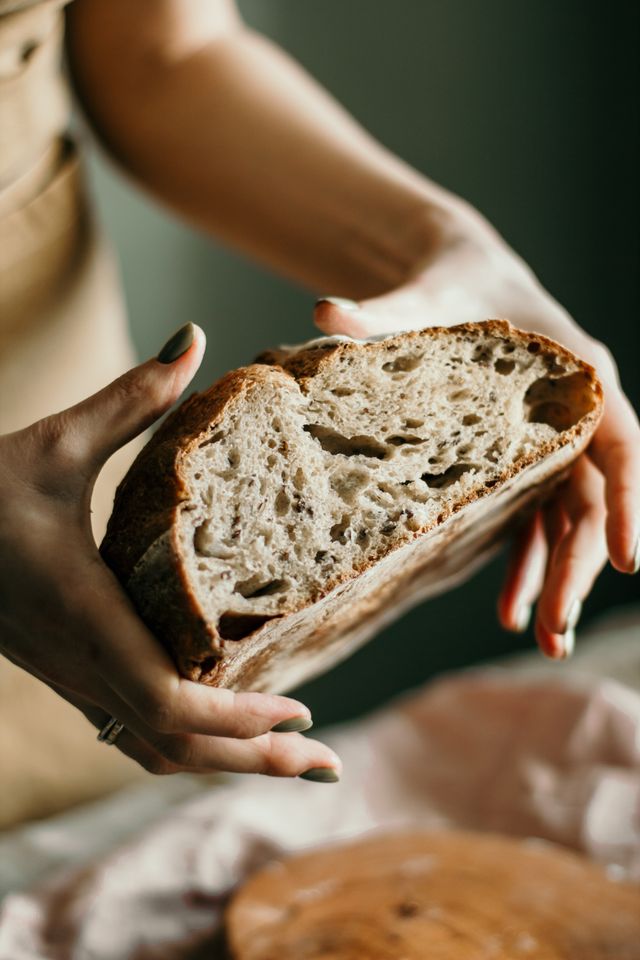
Understanding the role of each component ensures reliable fermentation and superior flavor in any cardamom sourdough bread recipe.
Sourdough Starter: The heart of the process, containing wild yeast and lactic acid bacteria. These microorganisms produce carbon dioxide for rise and lactic/acetic acids for tang. A mature, active starter (fed regularly and doubling within 4-8 hours) provides the best lift and complex flavor. Using 100% hydration starter (equal parts flour and water by weight) creates a workable consistency.
Flour: Bread flour (12-14% protein) develops strong gluten networks essential for trapping gases during fermentation. All-purpose flour works but yields a slightly denser crumb. Whole wheat or rye additions (10-20%) enhance nutrition and flavor through additional enzymes and natural sugars that feed the starter.
Water: Hydration level (typically 70-75%) affects crumb openness. Filtered or room-temperature water avoids chlorine, which can inhibit microbes. Warmer water (around 75-80°F / 24-27°C) speeds fermentation slightly.
Salt: Added after initial mixing, salt strengthens gluten, controls fermentation speed, and enhances flavor. Use 1.8-2.2% of flour weight—too little leads to weak structure; too much slows the starter excessively.
Cardamom: This key spice in cardamom sourdough bread provides cineole and other essential oils responsible for its sweet, eucalyptus-like aroma. Freshly ground green cardamom pods deliver superior flavor compared to pre-ground. Use 1-2% of flour weight to infuse without dominating. Cardamom also offers mild antimicrobial properties that subtly influence fermentation.
Sweeteners (Optional): A small amount of honey or sugar (1-2%) feeds yeast and promotes browning via Maillard reaction. In sourdough cardamom loaf variations, raisins or other dried fruits add natural sugars and moisture.
Fat (Optional): Butter or oil in enriched versions tenderizes the crumb and extends shelf life by coating gluten strands.
These elements interact dynamically: acidity from the starter breaks down starches into fermentable sugars, while cardamom’s compounds add aromatic complexity during baking.
How to Make Cardamom Sourdough Bread at Home: Step-by-Step Instructions
This easy cardamom sourdough bread recipe yields one large loaf (approximately 900g dough). Times assume a kitchen temperature of 70-75°F (21-24°C). Adjust for warmer or cooler conditions.
Ingredients (Metric and US Measurements)
A Simple Weekend Schedule for First Time Bakers
One of the biggest hurdles for beginners is not the technique itself, but understanding how the timing fits into a normal weekend. Making cardamom sourdough bread is not difficult, but it is slow, and knowing when to do each step in advance makes the entire process far less overwhelming.
Friday evening
Feed the sourdough starter if it has been stored in the refrigerator. Leave it at room temperature overnight so it is active and ready by the next morning.
Saturday morning
Build the levain using starter, flour, and water. Let it ferment for four to six hours at room temperature. While waiting, weigh out the remaining ingredients so everything is ready when the levain matures.
Saturday midday
Once the levain has doubled and looks bubbly, mix the final dough. Complete the autolyse rest, then incorporate the levain, salt, and cardamom. Begin the stretch and fold sequence over the next two hours.
Saturday afternoon
Continue bulk fermentation for a total of four to seven hours, depending on kitchen temperature. Warmer kitchens will move faster, so check the dough rather than relying only on the clock.
Saturday evening
Pre-shape the dough, let it rest, then complete the final shaping. Place it in a banneton and transfer it to the refrigerator for an overnight cold proof, ideally eight to sixteen hours.
Sunday morning
Preheat the oven with the Dutch oven inside. Bake the loaf straight from the refrigerator, which also makes scoring easier since cold dough holds its shape better. This is usually the moment the whole kitchen fills with the unmistakable smell of fresh cardamom sourdough bread.
This schedule works well for anyone who wants a finished cardamom sourdough bread ready in time for a Sunday breakfast or brunch. For those short on time, the discard method mentioned earlier in this recipe can compress the entire process into a single afternoon, though the flavor will be milder since it skips the long, slow fermentation window.
Printing this schedule or saving it separately from the recipe card can be helpful for first attempts, since it removes the guesswork around when to check on the dough throughout the day.
Levain (Build 4-6 hours before mixing, or use ripe starter):
- 50g (¼ cup) active sourdough starter
- 100g (scant ½ cup) bread flour
- 100g (scant ½ cup) water
Final Dough:
- 400g (3⅓ cups) bread flour
- 100g (¾ cup + 1 Tbsp) whole wheat flour (or more bread flour)
- 300g (1¼ cups) water (75% hydration)
- 100g (about ⅓ cup + 1 Tbsp) ripe levain or active starter
- 10g (2 tsp) fine sea salt
- 8-10g (2-2½ tsp) freshly ground cardamom (from 8-10 green pods)
- 20g (1 Tbsp) honey or sugar (optional, for subtle sweetness)
- 80g (½ cup) raisins or sultanas (optional, for cardamom sourdough bread with raisins)
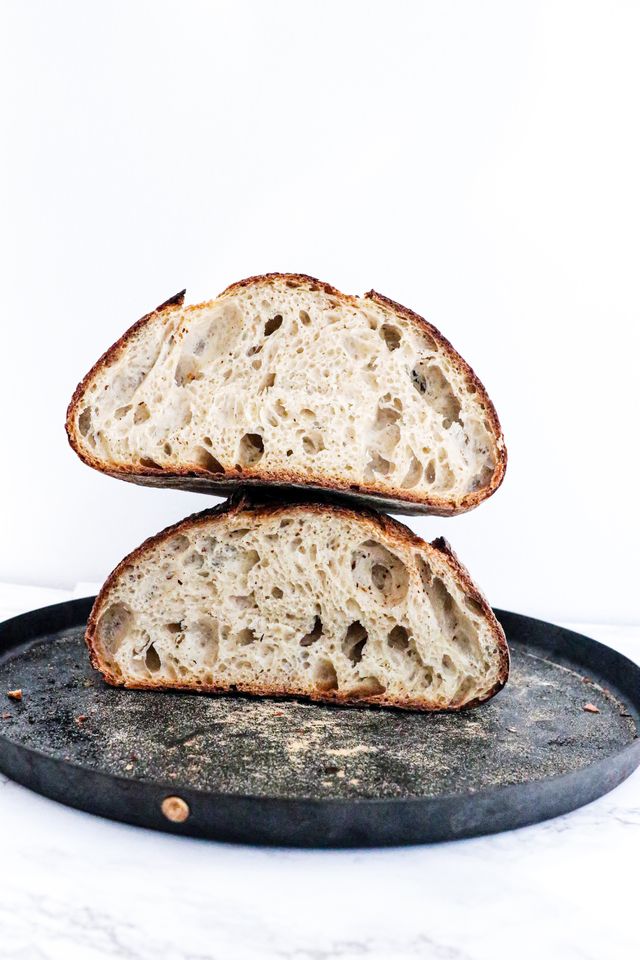
Step 1: Prepare the Levain
Mix the active sourdough starter with flour and water in a clean jar. Cover loosely and let ferment at room temperature until it doubles in volume and shows bubbles throughout (4-6 hours). This builds strength for the spiced sourdough bread.
Step 2: Autolyse (Optional but Recommended)
Combine the flours and water in a large mixing bowl. Mix until no dry flour remains. Cover and rest 30-60 minutes. This hydrates the flour fully, initiating enzymatic activity for better gluten development and easier handling in homemade cardamom bread.
Step 3: Mix the Dough
Add the ripe levain (or active starter), salt, ground cardamom, and honey (if using) to the autolysed mixture. Squeeze and fold with wet hands until fully incorporated (5-8 minutes). The dough will feel shaggy at first but smooth as gluten develops. If adding raisins for sourdough bread with cardamom and raisins, incorporate them during the first few folds to distribute evenly without tearing the structure.
Target dough temperature: 76-78°F (24-26°C) for steady fermentation.
Step 4: Bulk Fermentation with Stretch and Folds
Cover the bowl and let the dough rest 30 minutes. Perform 4-6 sets of stretch and folds every 30-45 minutes for the first 2-2.5 hours. Each set: Wet hands, pull one side of the dough up and over the center, rotating the bowl a quarter turn between stretches. This builds strength without a mixer.
Continue bulk fermentation (total 4-7 hours) until the dough increases 50-75% in volume, feels airy, and shows bubbles at the sides. It should jiggle slightly when the bowl is shaken. Do not let it double fully to avoid overproofing in this spiced sourdough bread.
Step 5: Pre-Shape and Bench Rest
Turn the dough onto a lightly floured surface. Gently fold edges to the center to form a loose round. Flip seam-side down and let rest 20-30 minutes. This relaxes the gluten for final shaping.
Step 6: Final Shaping
For a boule (round loaf): Cup hands around the dough and rotate to create surface tension. For a batard (oval): Gently elongate and fold. Place seam-side up in a floured proofing basket or banneton lined with a tea towel. For cardamom sourdough rolls, divide into 8-12 equal pieces (60-80g each), shape into tight balls, and place in a greased pan.
Step 7: Final Proof
Cover and proof at room temperature for 1-2 hours or retard in the refrigerator overnight (8-16 hours) for better flavor development. The dough is ready when it passes the poke test: A gentle finger press springs back slowly.
Step 8: Bake the Cardamom Sourdough Bread
Preheat oven to 450°F (232°C) with a Dutch oven inside for 45-60 minutes. Score the loaf with a lame or sharp knife (straight slash or decorative pattern). Bake covered for 20 minutes, then uncovered at 425°F (218°C) for 20-25 minutes until deep golden with an internal temperature of 205-210°F (96-99°C).
Cool completely on a wire rack (at least 2 hours) before slicing to preserve crumb structure. This yields a fragrant sourdough cardamom loaf with warm spice notes.
Total Time: 12-24 hours (mostly hands-off).
Sourdough Rolls Variation
Divide the dough into 12 portions for cardamom sourdough rolls. Shape into balls and proof in a 9×13 pan. Bake at 375°F (190°C) for 25-30 minutes until golden. Brush with melted butter post-bake for soft sides. These make excellent spiced pull-apart rolls for gatherings.
Sourdough Sandwich Bread Variation
Use a loaf pan for a softer, square-shaped homemade cardamom bread. Add 30g (2 Tbsp) butter during mixing for tenderness. This version slices beautifully for sandwiches and toasts evenly. Reduce hydration slightly to 68-70% for easier handling in a pan.
Cardamom Sourdough Discard Recipe Adaptation
For quicker results using unfed discard, replace the levain with 150g discard and add 5g (1 tsp) instant yeast. Follow similar steps but shorten bulk fermentation to 2-3 hours. This cardamom sourdough discard recipe produces reliable results when time is limited, though with milder tang.
Storage Tips
Store the cooled loaf in a breathable cloth bag or paper bag at room temperature for 3-5 days. The natural acidity helps preserve it longer than commercial bread. For longer storage, slice and freeze in airtight bags up to 3 months. Thaw slices at room temperature or toast directly from frozen.
Refrigeration is not recommended as it accelerates staling. Revive day-old bread by sprinkling with water and warming in a 350°F (177°C) oven for 5-10 minutes.
Common Mistakes to Avoid When Making This Bread
- Inactive Starter: Ensure the starter doubles reliably before baking. Weak starter leads to dense crumb in any sourdough cardamom loaf.
- Over- or Under-Proofing: Use the poke test. Overproofed dough collapses; underproofed yields tight crumb.
- Incorrect Measurements: Weigh ingredients for precision. Volume measurements vary and can disrupt hydration.
- Adding Spices Too Early or in Excess: Incorporate cardamom after autolyse to preserve volatile oils. Too much can inhibit fermentation slightly.
- Rushing Fermentation: Patience during bulk and proof yields better flavor and structure in easy cardamom sourdough bread.
- Slicing Too Soon: Cutting warm bread compresses the crumb and releases steam prematurely.
- Ignoring Temperature: Track dough temperature for predictable results, especially in spiced sourdough bread.
5 FAQs
1. Can I use pre-ground cardamom instead of freshly ground?
Freshly ground provides superior aroma, but pre-ground works in a pinch. Use slightly less (about 75%) as it is more concentrated. Store pre-ground in an airtight container away from light.
2. How do I adjust this recipe for cardamom sourdough starter maintenance?
Feed your starter with a portion of the spiced dough if experimenting, but maintain a plain starter separately for consistency. The spices in cardamom sourdough starter can alter microbial balance over time.
3. What flour substitutions work best for gluten-free versions?
Traditional sourdough relies on gluten, but a blend of rice, sorghum, and tapioca with added psyllium husk can approximate texture. Results differ significantly from wheat-based cardamom sourdough bread.
4. Why is my sourdough cardamom loaf not rising well?
Check starter activity, dough temperature, and proofing conditions. Younger starters or cold kitchens slow fermentation. Extend times as needed.
5. Can I make this as sourdough bread with cardamom and raisins successfully?
Yes—soak raisins in warm water or tea first to prevent them from pulling moisture from the dough. Add during stretch and folds for even distribution.
This cardamom sourdough bread recipe rewards patience with exceptional flavor and aroma. Experiment with the variations to find your perfect spiced sourdough bread. Enjoy the process of creating homemade cardamom bread that fills the kitchen with warmth.