Craving an Easy Vanilla Sponge Cake thats light fluffy and tastes like heaven? Follow my chill guide with tips mess ups and why its my go-to dessert. No fancy skills needed just basic stuff and patience.
Table of Contents
Easy Vanilla Sponge Cake
This easy vanilla sponge cake stands as a timeless classic in home baking. It offers a light, tender texture and delicate vanilla flavor that pairs beautifully with countless fillings and toppings. Whether preparing for a casual afternoon tea, family gathering, or layered celebration cake, this simple vanilla cake from scratch relies on basic techniques and pantry staples. It consistently delivers professional results without specialized equipment.
Home bakers appreciate this basic sponge cake recipe for its reliability and versatility. The method emphasizes proper egg aeration and gentle folding to achieve maximum rise and a soft, moist interior. This guide provides everything needed to master a homemade vanilla sponge cake that feels bakery-quality yet approachable for everyday baking.
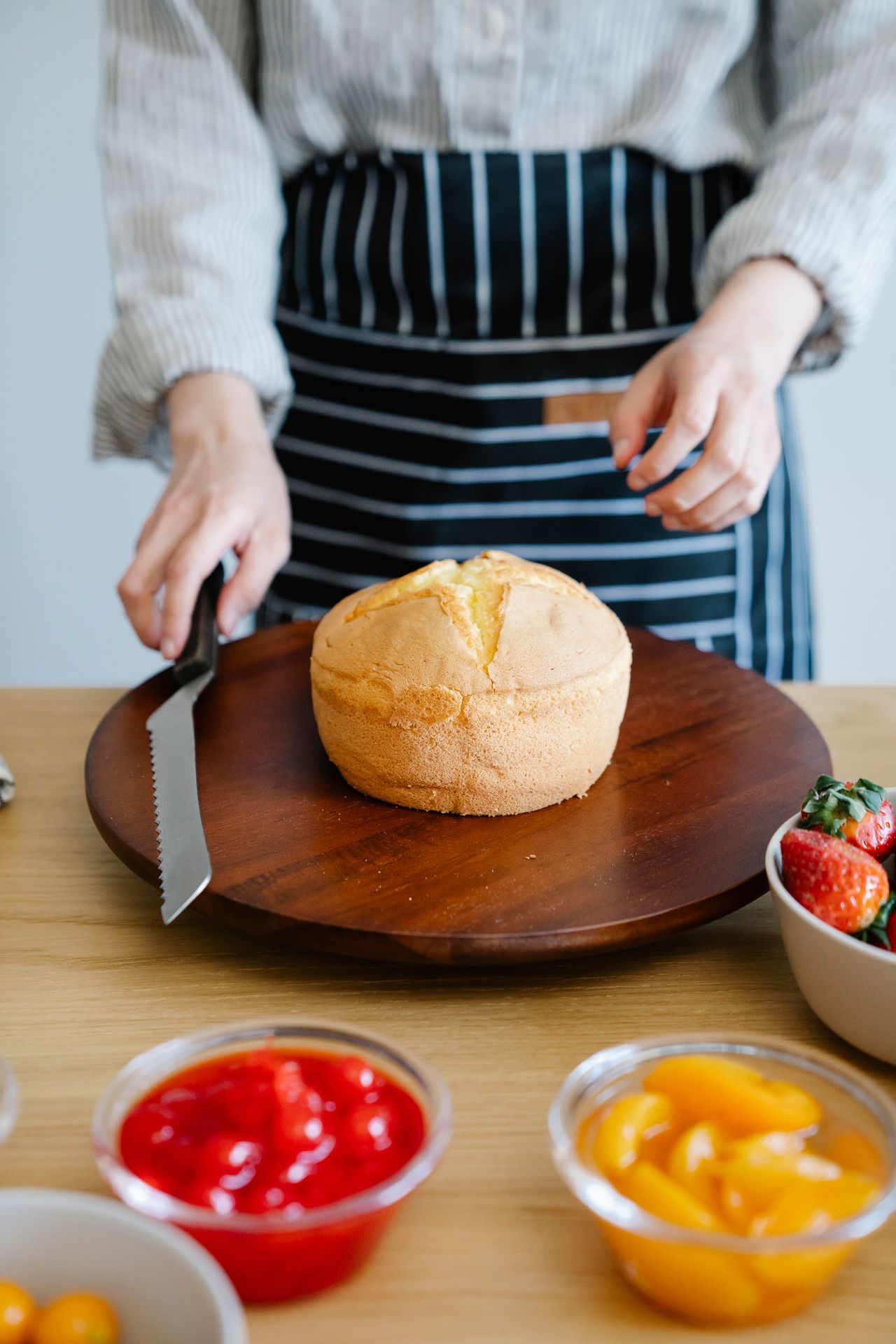
Easy Vanilla Sponge Cake
Ingredients
Method
- Preheat the oven to 350°F (175–180°C). Grease and line the cake pan(s) with parchment paper. Lightly flour the sides.
- Whip the eggs and sugar: In a large bowl, add room temperature eggs, sugar, and salt. Whisk vigorously (or use hand mixer on medium-high speed) for 5–8 minutes until the mixture becomes pale, thick, and reaches the ribbon stage (batter falls in ribbons that hold shape for a few seconds).
- Add vanilla: Gently fold in the vanilla extract.
- Fold in dry ingredients: Sift the flour and salt over the egg mixture in 3 additions. Using a rubber spatula, gently fold until just combined. Do not overmix.
- Add fat: Pour the cooled melted butter (or oil) and optional milk down the side of the bowl. Fold gently until fully incorporated. The batter should be airy and smooth.
- Bake: Pour batter into prepared pan(s). Bake for 22–28 minutes or until a toothpick inserted in the center comes out clean and the top springs back when lightly touched.
- Cool: Let cool in the pan for 10 minutes, then transfer to a wire rack to cool completely.
Notes
- For best results, always use room temperature eggs.
- This is a classic egg-based sponge — no baking powder required.
- Perfect base for layered cakes.
The Appeal of a Classic Vanilla Sponge Cake
A well-executed easy vanilla sponge cake features a fine, even crumb that remains moist for days. Unlike denser butter cakes, traditional sponge cakes rely primarily on eggs for structure and lift, resulting in a feather-light texture. This makes it ideal as a base for layered cakes or a simple standalone treat dusted with powdered sugar.
This soft vanilla cake recipe requires minimal ingredients yet rewards attention to technique. Bakers of all skill levels can achieve consistent success by following precise measurements and temperature guidelines. The clean vanilla profile allows it to complement fruits, creams, jams, or chocolate without overwhelming other flavors.
Ingredient Science: Building the Perfect Structure
Understanding the role of each ingredient elevates this easy vanilla sponge cake from good to exceptional. Precise ratios and temperatures ensure optimal aeration, stability, and tenderness.
Eggs form the foundation of any fluffy sponge cake. They provide structure through protein coagulation while trapping air during whipping. Room-temperature eggs (around 68–72°F / 20–22°C) whip more effectively, incorporating maximum air for height and lightness. Use large eggs weighing approximately 50–55g each without shell. The lecithin in egg yolks emulsifies fats, contributing to a tender crumb.
Sugar stabilizes the egg foam and tenderizes the cake by interfering with gluten formation. Granulated sugar works best, dissolving gradually during whipping to create a stable meringue-like structure. It also contributes to browning via the Maillard reaction and helps retain moisture.
All-purpose flour supplies the necessary starch and limited gluten for structure. Its moderate protein content (around 10–11%) strikes the right balance—enough for stability without toughness. Sifting removes lumps and aerates the flour, aiding in a lighter result. For the most delicate texture, some bakers substitute a portion with cake flour, though all-purpose performs excellently in this basic sponge cake recipe.
Fat (butter or neutral oil) adds richness and moisture. Melted butter imparts flavor while oil creates an even more tender, longer-lasting moist vanilla sponge cake recipe. A modest amount prevents dryness without weighing down the airy structure.
Vanilla extract delivers the signature flavor. Pure vanilla extract or vanilla bean paste provides depth with aromatic compounds that enhance perception of sweetness and butteriness. Avoid imitation vanilla for best results.
Salt enhances flavors and balances sweetness. Even a small pinch makes a noticeable difference in a vanilla cake with few ingredients.
Leavening considerations: Many traditional sponges rely solely on whipped eggs, making this a true vanilla cake without mixer option when using a sturdy whisk, though a hand mixer speeds the process.
Equipment Needed for Success
Minimal tools suffice for this how to make sponge cake at home:
- Two 8-inch (20 cm) round cake pans or one 9×13-inch (23×33 cm) rectangular pan
- Large mixing bowl (stainless steel or glass preferred for whipping)
- Whisk or electric hand mixer
- Rubber spatula for folding
- Sifter or fine-mesh sieve
- Parchment paper
- Cooling rack
- Oven thermometer (highly recommended for accuracy)
Step-by-Step Instructions for Easy Vanilla Sponge Cake
This recipe yields one tall 8-inch layer or two thinner 8-inch layers, serving 8–10 people. It scales easily for larger batches.
Ingredients (US / Metric)
For one 8-inch (20 cm) cake:
- 4 large eggs, room temperature (200g)
- 1 cup granulated sugar (200g)
- 1 cup all-purpose flour (125g), sifted
- ¼ cup unsalted butter, melted and cooled (or neutral oil) (57g)
- 1 teaspoon pure vanilla extract (5ml)
- ⅛ teaspoon fine salt (0.75g)
Optional but recommended: 1 tablespoon milk or hot water (15ml) to loosen batter if needed.
Preparation
- Preheat the oven to 350°F (175–180°C). Position rack in the center. Grease pans thoroughly, line bottoms with parchment circles, and grease the paper. Dust lightly with flour and tap out excess.
- Prepare ingredients: Ensure eggs sit at room temperature for at least 30–45 minutes. Melt butter (if using) and let it cool to lukewarm. Sift flour with salt.
Whipping the Eggs and Sugar
In a large bowl, combine room-temperature eggs, sugar, and salt. Begin whisking on low speed or by hand until foamy. Increase to medium-high (or vigorous hand whisking) for 5–8 minutes until the mixture reaches the ribbon stage: pale yellow, tripled in volume, and thick enough that a ribbon of batter holds its shape on the surface for several seconds. This step creates the air cells essential for a fluffy sponge cake.
Proper aeration here determines final height and texture in your easy vanilla sponge cake.
Incorporating Flavor and Dry Ingredients
Gently fold in vanilla extract with a few strokes. Sift one-third of the flour mixture over the egg foam. Using a rubber spatula, fold gently with a cut-and-lift motion: slice down the center, scoop underneath, and turn over the top. Rotate the bowl a quarter turn between folds. Repeat with remaining flour in two more additions. Fold just until no streaks remain—overmixing deflates air pockets.
Stream in the cooled melted butter (or oil) and milk (if using) down the side of the bowl. Fold gently until fully incorporated. The batter should appear airy, smooth, and slightly glossy. It will be relatively thin compared to butter cake batters.
Baking
Divide batter evenly between prepared pans. Tap pans gently on the counter to release large air bubbles. Bake for 22–28 minutes (thinner layers bake faster). The cake is done when:
- Top springs back when lightly touched
- A toothpick inserted in the center comes out clean or with a few moist crumbs
- Edges begin to pull slightly from the pan
Avoid opening the oven door before 18–20 minutes to prevent sinking.
Cooling
Cool in pans on a wire rack for 10 minutes. Run a thin knife around edges, invert onto rack, peel off parchment, and cool completely (about 1 hour). This soft vanilla cake recipe benefits from full cooling before slicing to prevent crumbling.
Fluffy Sponge Cake Tips for Consistent Results
Temperature control remains critical throughout. Cold ingredients hinder aeration, while overly hot butter can deflate the foam. Use an oven thermometer—many home ovens run 25°F (15°C) off.
Gentle folding preserves air. Think of it as preserving delicate bubbles rather than stirring.
For maximum height, some bakers use a hot water bath method or add a small amount of cream of tartar to stabilize the egg foam.
Common Mistakes to Avoid in Homemade Vanilla Sponge Cake
Several pitfalls can affect your classic vanilla sponge cake:
- Under-whipping eggs: Results in a dense, flat cake. Take time to reach full ribbon stage.
- Overmixing flour: Develops gluten and deflates air, leading to toughness. Fold minimally.
- Incorrect oven temperature: Too hot causes cracking or uneven rising; too cool leads to dense texture.
- Opening oven door early: Sudden temperature drop causes sinking in the center.
- Using cold eggs or ingredients: Poor emulsion and less volume.
- Skipping sifting: Lumps and poor aeration.
- Wrong pan size: Affects baking time and height dramatically.
Address these proactively for reliable success with this vanilla cake for beginners.
Scaling This Recipe for Different Pan Sizes
One question that comes up often is whether this easy vanilla sponge cake recipe can be adjusted for a different pan than the standard 8 inch round. The good news is that sponge cake batter scales predictably, as long as you account for the change in surface area and adjust baking time accordingly.
For a 6 inch round pan, reduce all ingredients by roughly one third and expect a shorter bake time, closer to 18 to 22 minutes, since the batter sits shallower and cooks faster. For a 9 inch round pan, increase ingredients by about 25 percent and add 3 to 5 minutes to the bake time. If you want to bake this easy vanilla sponge cake in a 9×13 inch rectangular pan instead of rounds, use one and a half times the original recipe and expect a slightly shorter bake, since the batter spreads thinner across a larger surface.
A simple rule of thumb when scaling any sponge cake is to keep the batter depth similar to the original recipe, typically around 1 to 1.5 inches in the pan before baking. If the batter sits much deeper than that, the outside will finish baking before the center sets, leading to a sunken middle even when everything else was done correctly. If it sits much shallower, the cake dries out before it fully develops its crumb structure.
When doubling this easy vanilla sponge cake for a larger gathering, resist the urge to simply double every ingredient and throw it all into one oversized pan. Instead, bake the batter across two or three pans of the original size, since sponge batter loses structure if it sits too long waiting for a single large pan to finish baking. Whipped egg foam is delicate, and the longer raw batter sits before going into the oven, the more volume it loses.
Adjusting for High Altitude Baking
If you live at an elevation above 3,000 feet (around 900 meters), this easy vanilla sponge cake will behave differently than it does at sea level, and a few small adjustments make a real difference. Lower air pressure at higher elevations causes gases to expand faster, which means the egg foam that gives this cake its lift will rise more quickly but can also collapse before the structure sets.
To compensate, reduce the sugar slightly, by about 1 tablespoon per cup, since sugar weakens structure and too much of it at altitude makes collapse more likely. You can also increase the oven temperature by about 15°F (roughly 8°C) so the cake sets faster before the extra gas expansion has a chance to overwork the delicate crumb. Many bakers at altitude also find it helpful to underwhip the eggs very slightly compared to sea level instructions, stopping just short of full ribbon stage, since the batter will continue to gain volume once it hits the heat of the oven.
Pan preparation matters more at altitude too. Since this easy vanilla sponge cake relies entirely on whipped eggs for lift rather than chemical leaveners, any resistance from a sticky or ungreased pan can pull at the delicate structure as it rises, increasing the risk of uneven doming or cracking on top. Take extra care greasing and lining the pan when baking at elevation.
If you are unsure whether your kitchen counts as high altitude, check with your local weather service or agricultural extension office, since even neighborhoods within the same city can sit at meaningfully different elevations in hilly regions.
These two adjustments, pan scaling and altitude correction, are often the missing piece for bakers who follow every step of an easy vanilla sponge cake recipe correctly and still end up with an inconsistent result. Since sponge cakes rely so heavily on air rather than chemical leavening for their rise, they are more sensitive to these environmental factors than a typical butter cake, which makes understanding them worth the extra few minutes before you start mixing.
Variations to Elevate Your Moist Vanilla Sponge Cake Recipe
This versatile base welcomes customization while maintaining its signature lightness:
Citrus Vanilla Sponge: Add zest of one lemon or orange during egg whipping for bright notes.
Chocolate Marble: Reserve ⅓ batter, mix with 2 tablespoons cocoa powder and a splash of milk, then swirl into plain batter.
Berry Studded: Gently fold ¾ cup fresh blueberries or raspberries (tossed in flour) into the finished batter.
Coffee-Infused: Replace 1 tablespoon milk with strong espresso or add 1 teaspoon espresso powder.
Almond Variation: Substitute ¼ teaspoon almond extract alongside vanilla for a nutty twist.
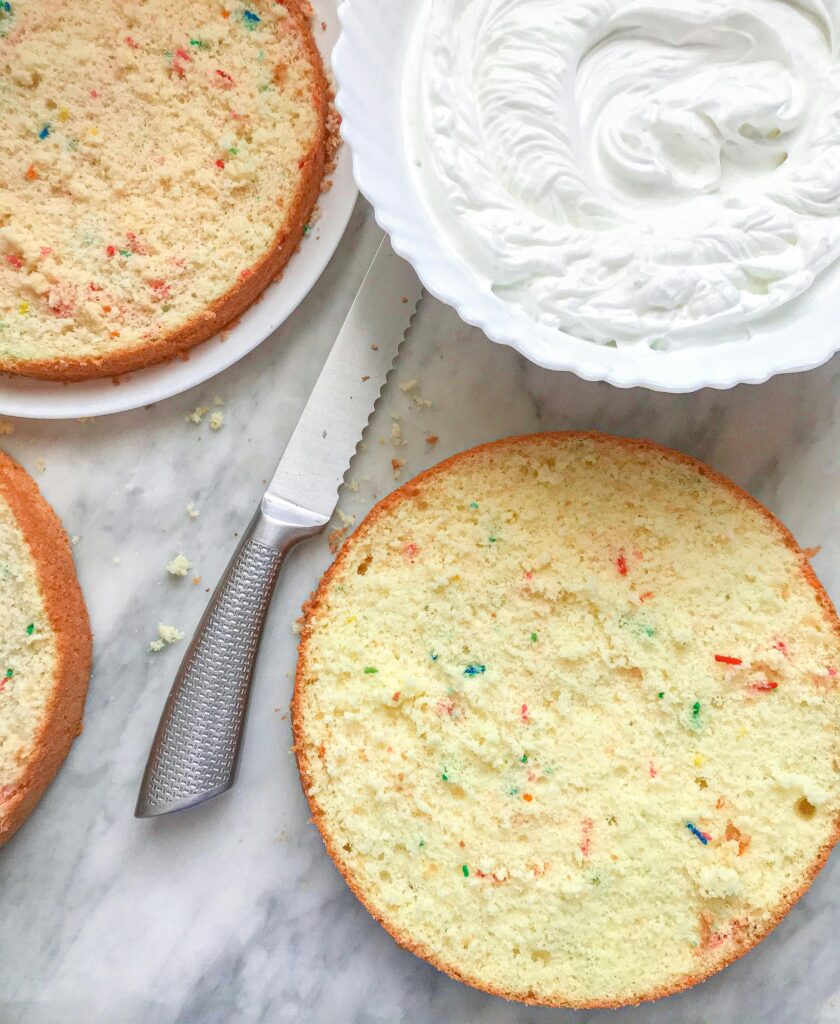
Layer Cake Style: Bake two thin layers, split each horizontally for four total layers. Fill with jam, whipped cream, or buttercream for an elegant easy vanilla sponge cake presentation.
Gluten-Free Adaptation: Use a high-quality 1:1 gluten-free flour blend. Expect slightly denser results but excellent flavor.
These adaptations expand the possibilities of your simple vanilla cake from scratch without complicating the core method.
Storage Tips for Freshness
A properly baked easy vanilla sponge cake stays fresh when stored correctly:
- Room Temperature: Up to 2 days in an airtight container or tightly wrapped in plastic. Place a piece of bread nearby to help retain moisture.
- Refrigerator: Up to 5–7 days. Bring slices to room temperature before serving for best texture.
- Freezer: Wrap cooled layers tightly in plastic wrap and foil. Freeze up to 2–3 months. Thaw overnight in the refrigerator, then unwrap and bring to room temperature.
For make-ahead convenience, bake layers, cool completely, wrap well, and freeze. Thaw and assemble closer to serving time. This approach makes the homemade vanilla sponge cake practical for busy schedules.
Serving Suggestions
Serve slices plain with a dusting of powdered sugar, or pair with:
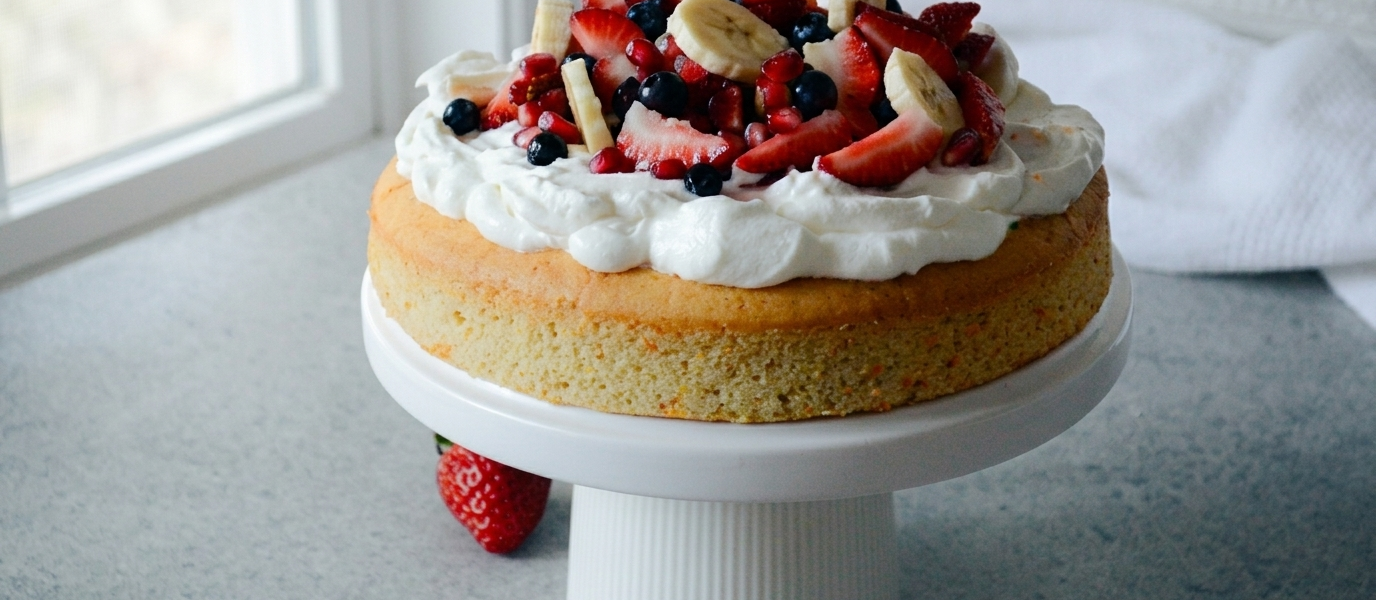
- Fresh berries and lightly sweetened whipped cream
- Warm vanilla custard sauce
- Lemon curd or fruit compote
- Chocolate ganache drizzle
- Scoop of vanilla ice cream for a simple sundae
This moist vanilla sponge cake recipe shines in both casual and formal settings.
5 FAQs About Easy Vanilla Sponge Cake
1. Can I make this easy vanilla sponge cake without a mixer?
Yes. A sturdy hand whisk works perfectly, though it requires more arm effort. Whip eggs and sugar vigorously for 7–10 minutes to reach ribbon stage. Many bakers prefer the vanilla cake without mixer approach for smaller batches.
2. Why did my cake sink in the middle?
Common causes include opening the oven door too early, underbaking, or overmixing the batter. Ensure proper whipping and avoid temperature shocks.
3. How do I convert this to cupcakes?
Fill liners ⅔ full and bake at the same temperature for 15–20 minutes. This recipe yields about 12–15 standard cupcakes.
4. Is this recipe suitable for layered celebration cakes?
Absolutely. The structure holds up well to light fillings and frostings. Chill layers before assembly for easier handling.
5. Can I make it gluten-free or eggless?
Gluten-free works with careful flour substitution. Eggless versions require significant adjustments (such as aquafaba or commercial replacers) and may not achieve the same airy texture characteristic of a classic sponge.
This easy vanilla sponge cake delivers bakery-worthy results with straightforward methods and accessible ingredients. Master the fundamentals, and it will become a reliable favorite for countless occasions. Experiment with the variations to make each bake uniquely yours while preserving the light, tender character that defines this beloved classic.