

Discover this easy homemade pizza dough recipe for a soft and chewy crust every time. Includes step-by-step instructions with exact US and metric measurements, ingredient science, no knead option, and expert tips for beginners. Perfect thin crust vs thick crust results.
Table of Contents
Easy Homemade Pizza Dough: The Perfect Soft and Chewy Crust from Scratch
Making easy homemade pizza dough delivers restaurant-quality results with minimal effort. This soft pizza dough recipe from scratch uses simple pantry staples and produces a versatile base suitable for any style of pizza. Whether aiming for a classic chewy New York-style crust or a lighter Neapolitan-inspired version, this method ensures consistent success.

Easy Homemade Pizza Dough Recipe: Soft & Chewy Crust from Scratch
Ingredients
Method
- Step 1: In a large mixing bowl, whisk together the bread flour, instant yeast, salt, and sugar.
- Step 2: Make a well in the center and add the lukewarm water and olive oil. Stir until a shaggy dough forms.
- Step 3: Turn the dough onto a lightly floured surface and knead for 8-10 minutes until smooth and elastic.
- Step 4: Place the dough in a lightly oiled bowl, cover, and let it rise for 60-90 minutes or until doubled in size.
- Step 5: Divide the dough into 2 equal portions. Gently stretch or press into desired shape.
- Step 6: Preheat oven to 475-500°F (245-260°C). Add toppings and bake for 8-12 minutes until golden.
Why Choose Easy Homemade Pizza Dough Over Store-Bought
Easy homemade pizza dough stands above pre-made options in both flavor and texture. Fresh dough allows complete control over ingredients, avoiding preservatives and unnecessary additives common in commercial products. The result is a superior soft and chewy pizza crust that holds toppings beautifully without becoming soggy or overly crisp.
Home bakers particularly appreciate the cost savings and flexibility. A single batch yields multiple pizzas, and the dough freezes exceptionally well. For those new to bread making, this recipe emphasizes straightforward techniques that build confidence quickly.
The process highlights key elements such as proper pizza dough with instant yeast, optimal pizza dough resting time, and the role of oil in achieving tenderness. These details transform basic ingredients into a dough that rivals pizzerias.
Ingredient Science: Understanding What Makes Pizza Dough Work
Each component in this easy homemade pizza dough serves a specific purpose. Understanding the science helps achieve reliable results every time.
Flour forms the structural foundation. Bread flour, with its higher protein content (11-13%), develops strong gluten networks essential for chewiness. All-purpose flour works in a pinch but yields slightly less structure. The protein content directly influences how the dough traps gases during rising, affecting final texture.
Instant yeast (also called rapid-rise or bread machine yeast) provides reliable leavening. Unlike active dry yeast, instant yeast activates quickly and requires no proofing in warm water. It produces carbon dioxide efficiently, creating the airy pockets that contribute to a soft pizza dough recipe from scratch.
Water hydrates the flour and activates yeast. Temperature matters significantly—lukewarm water (around 100-110°F / 38-43°C) promotes optimal yeast activity without killing it. Proper hydration levels (60-65% baker’s percentage) prevent a tough or sticky dough.
Salt enhances flavor while strengthening gluten and regulating yeast fermentation. It slows yeast activity slightly, allowing more complex flavors to develop during pizza dough resting time.
Olive oil (or neutral oil) contributes tenderness and richness. The fats coat gluten strands, resulting in a softer, more pliable crust. This addresses the common question of pizza dough oil or no oil—oil inclusion markedly improves texture for most home bakers seeking a soft and chewy result.
Sugar (optional but recommended) feeds yeast and promotes browning through Maillard reactions. A small amount improves flavor complexity without making the dough sweet.
These scientific interactions explain why small adjustments yield significant differences in the final easy homemade pizza dough.
Tools and Equipment Needed
Success with easy homemade pizza dough requires minimal specialized equipment:
- Large mixing bowl
- Digital kitchen scale (preferred for accuracy)
- Measuring cups and spoons
- Sturdy wooden spoon or dough whisk
- Plastic wrap or damp kitchen towel
- Pizza stone or baking steel (highly recommended)
- Bench scraper
- Pizza peel
A kitchen scale ensures precise measurements, especially important when scaling recipes or troubleshooting.
Step-by-Step Instructions for Easy Homemade Pizza Dough
This recipe produces enough dough for two 12-inch pizzas or one large 16-inch pizza. Exact measurements provided in both US customary and metric units.
Ingredients (for 2 pizzas)
- 3 ¾ cups (450g) bread flour
- 1 teaspoon (3g) instant yeast
- 2 teaspoons (12g) kosher salt
- 1 teaspoon (4g) granulated sugar
- 1 ⅓ cups (315ml) lukewarm water (100-110°F / 38-43°C)
- 2 tablespoons (30ml) olive oil
Mixing the Dough
- In a large bowl, whisk together the bread flour, instant yeast, salt, and sugar. This ensures even distribution of the yeast and salt.
- Make a well in the center of the dry ingredients. Add the lukewarm water and olive oil.
- Using a sturdy spoon or dough whisk, mix until a shaggy dough forms. No dry flour should remain. This initial mixing develops hydration without overworking the gluten early on.
Kneading Process
- Turn the dough onto a lightly floured surface. Knead for 8-10 minutes until smooth and elastic. The dough should pass the windowpane test: stretch a small piece thin enough to see light through it without tearing.
For those preferring no knead pizza dough, skip traditional kneading. After mixing, cover the bowl and allow the dough to rest for 10 minutes, then perform 4-6 stretch-and-fold sequences every 30 minutes over two hours. This gentle method still develops sufficient gluten for excellent structure.
Bulk Fermentation and Pizza Dough Resting Time
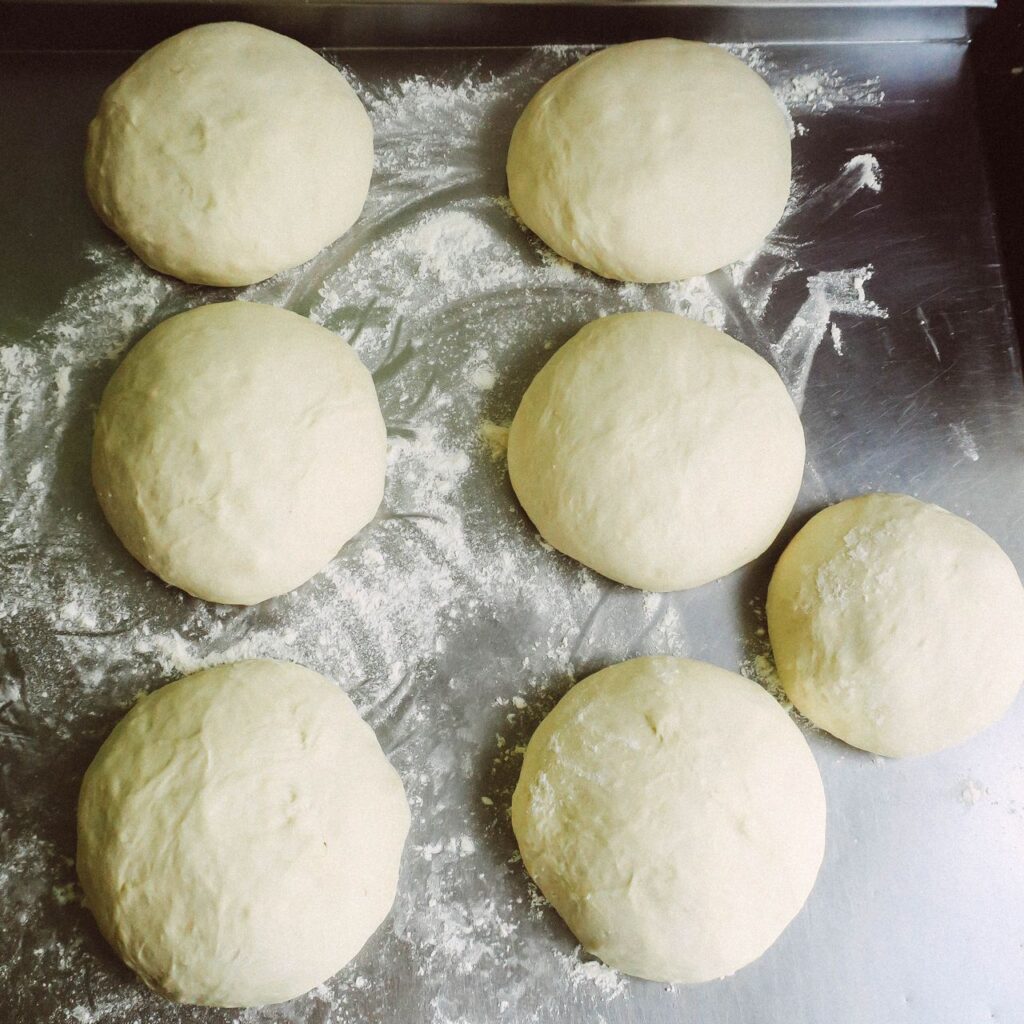
- Place the kneaded dough in a lightly oiled bowl. Cover with plastic wrap or a damp towel. Allow to rise in a warm spot (75-80°F / 24-27°C) for 60-90 minutes, or until doubled in size. This pizza dough resting time is crucial for flavor development and achieving that desirable soft texture.
Proper resting relaxes the gluten, making the dough easier to shape and contributing to the final chew.
How to Make Pizza Dough Soft and Chewy
Several techniques ensure the signature tenderness of this easy homemade pizza dough:
- Hydration balance: The 70% hydration level in this recipe promotes a soft interior while maintaining structure.
- Oil incorporation: The added olive oil tenderizes the crumb.
- Gentle handling: Avoid aggressive punching down, which can deflate beneficial gas pockets.
- Adequate resting: Sufficient pizza dough resting time prevents a tough result.
- Proper baking temperature: High heat creates rapid oven spring for airy texture.
These methods directly address why is my pizza dough tough—often the result of insufficient hydration, over-kneading, or inadequate resting.
Shaping the Dough: Thin Crust vs Thick Crust Homemade Pizza
Divide the risen dough into two equal portions.
For thin crust homemade pizza:
- Press gently with fingertips from center outward, leaving a ½-inch border for the rim.
- Stretch to 12-14 inches. Minimal handling preserves air pockets for crisp-yet-chewy texture.
For thick crust homemade pizza:
- Allow slightly more dough per pizza.
- Create a higher rim by pushing dough toward edges.
- Let shaped dough rest 15-20 minutes before topping for better rise.
Pizza dough too sticky fix: If the dough resists stretching, cover and rest for 10 minutes. The gluten relaxes, making shaping easier. Avoid adding excessive flour, which creates a dry, tough crust.
Baking Instructions
Preheat oven to 475-500°F (245-260°C) with pizza stone inside for at least 45 minutes.
Transfer shaped dough to a cornmeal-dusted peel. Add toppings sparingly. Bake 8-12 minutes until crust turns golden and cheese bubbles. Rotate halfway for even browning.
Variations of Easy Homemade Pizza Dough
Whole Wheat Version
Replace up to 50% of bread flour with whole wheat flour. Add 1-2 tablespoons extra water to compensate for bran absorption. Expect slightly denser but flavorful results.
Garlic Herb Dough
Add 2 minced garlic cloves and 1 teaspoon dried Italian herbs during mixing for aromatic flavor.
Sourdough-Inspired (with commercial yeast)
Add ¼ cup sourdough discard to the dough for tangy notes without maintaining a full starter.
Gluten-Free Adaptation
While not traditional, a blend of gluten-free flours with xanthan gum can approximate results, though texture differs from wheat-based easy homemade pizza dough.
Common Mistakes to Avoid
Understanding frequent pitfalls helps achieve consistent success:
- Over-flouring during kneading: Creates dry, tough dough. Use minimal bench flour.
- Incorrect water temperature: Too hot kills yeast; too cold slows fermentation dramatically.
- Insufficient pizza dough resting time: Rushed dough remains tight and difficult to shape.
- Over-kneading: Develops excessive gluten, leading to chewy but tough texture.
- Overloading with toppings: Weighs down the crust, preventing proper rise.
- Baking at low temperature: Results in dense, pale crust instead of airy, golden results.
When facing why is my pizza dough tough, review hydration, resting, and kneading practices first.
Pizza dough too sticky fix techniques include brief refrigeration (15 minutes) or the short rest mentioned earlier.
Storage and Make-Ahead Tips
Refrigerator storage: After bulk rise, portion dough, coat lightly with oil, and place in airtight containers. Refrigerate up to 3 days. Bring to room temperature before shaping.
Freezing: Portion dough balls, wrap tightly in plastic then foil or freezer bags. Freeze up to 3 months. Thaw overnight in refrigerator, then proof at room temperature 1-2 hours.
Pre-made dough balls: Shape and par-bake crusts for 5 minutes, cool completely, then freeze for quick weeknight meals.
Proper storage maintains the quality of this soft pizza dough recipe from scratch.
Homemade Pizza Dough Tips for Beginners
- Weigh ingredients rather than using volume measurements.
- Start with smaller dough balls to practice shaping.
- Keep a dough journal noting room temperature and rise times.
- Invest in a pizza stone for dramatically better crust.
- Experiment with different flours once comfortable with the base recipe.
These homemade pizza dough tips for beginners accelerate learning and reduce frustration.
This easy homemade pizza dough method balances simplicity with professional results. The combination of proper technique, quality ingredients, and adequate resting time consistently produces outstanding pizza at home.
5 FAQs
1. How long is the pizza dough resting time in this recipe?
The primary bulk rise takes 60-90 minutes until doubled. Additional 15-20 minute rests during shaping further relax the dough. Total active time remains short, making this an accessible easy homemade pizza dough.
2. Should I use oil in pizza dough or no oil?
Including 2 tablespoons of olive oil produces noticeably softer, more tender crust. Oil-free versions work but tend toward chewier, sometimes tougher results. Most prefer the enhanced texture oil provides.
3. Why is my pizza dough tough even when following the recipe?
Common causes include insufficient hydration, over-kneading, cold kitchen slowing rise, or rushing the pizza dough resting time. Allow full rising and handle gently for best softness.
4. Can I make no knead pizza dough with this recipe?
Yes. The stretch-and-fold method replaces traditional kneading while still developing gluten. Many bakers prefer this gentler approach for softer final texture.
5. How do I fix pizza dough that is too sticky?
Allow the dough to rest covered for 10-15 minutes. The gluten relaxes naturally. If still sticky, incorporate minimal additional flour during shaping rather than kneading. High hydration creates the desirable soft and chewy pizza crust.
This comprehensive guide to easy homemade pizza dough equips any home cook to create exceptional pizza bases. The detailed ingredient science, precise measurements, and troubleshooting ensure repeatable success. Enjoy creating memorable pizzas with this reliable soft pizza dough recipe from scratch.


