
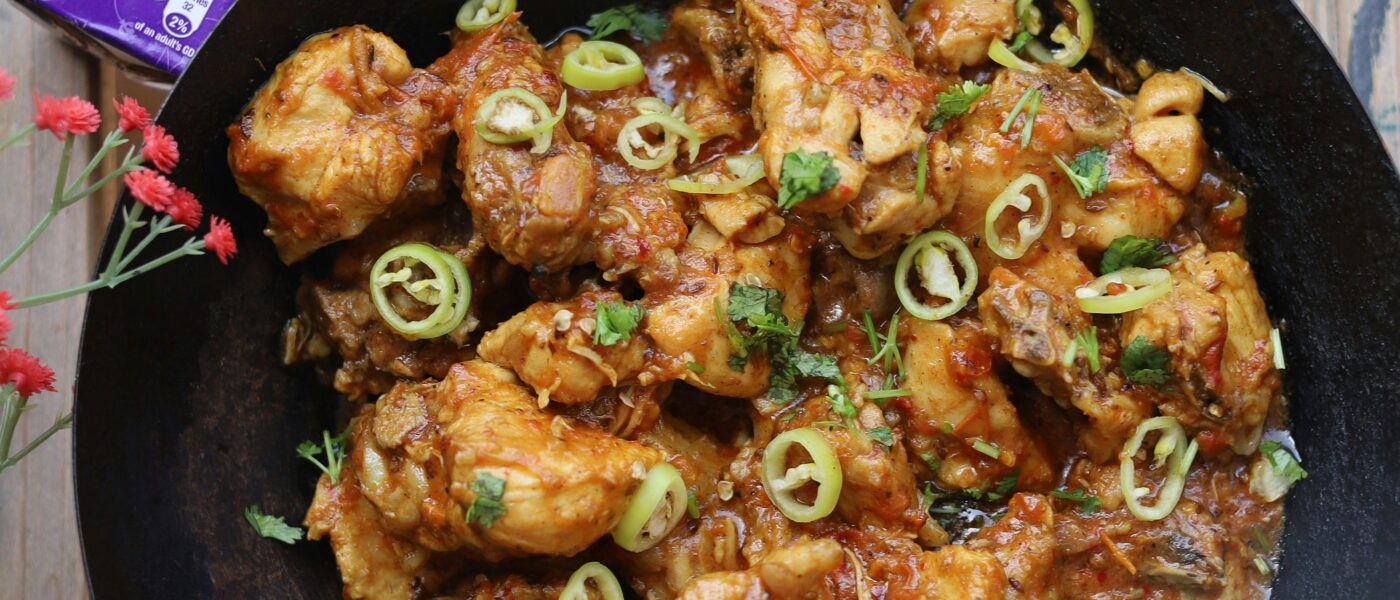
Looking for a simple Eid treat? Try this Authentic Eid Special Namkeen Gosht Recipe (Soft & Juicy) with just a few ingredients. It gives you melt in your mouth tender mutton that everyone will love during Eid ul Adha celebrations. High protein and fuss free.
Table of Contents
Namkeen Gosht Recipe: Easy, Authentic, and Irresistibly Tender Mutton
The Namkeen Gosht Recipe represents one of the finest examples of minimalist South Asian cooking. This preparation transforms simple mutton into a succulent, flavor-packed centerpiece using patience and basic techniques rather than an extensive spice cabinet. For Western home cooks interested in exploring global cuisines, this easy 4 ingredient this Recipe delivers restaurant-quality results with minimal effort and maximum satisfaction.
In this exhaustive guide, we explore every aspect of this Recipe — from its cultural roots to detailed science, precise measurements in both US customary and metric units, multiple variations, storage solutions, troubleshooting, and serving ideas. Whether preparing for a family dinner or scaling for celebrations, this comprehensive resource ensures success.

Ingredients
Method
- Prepare the Meat
- Rinse 1.5 kg mutton pieces well. Pat completely dry. Cut into 2–3 inch (5–8 cm) uniform pieces.
- Initial Simmer
- Place meat in a heavy-bottomed pot. Add salt and 80 ml (⅓ cup) water. Bring to a boil, then reduce to the lowest flame. Cover and cook for 25–35 minutes until meat releases its own juices.
- Add Aromatics
- Add crushed black pepper and slit green chillies. Stir gently once. Continue cooking covered on low flame.
- Slow Cook to Tenderness
- Simmer gently for total 90–135 minutes. Stir occasionally. Check tenderness with a fork — meat should be very soft and juicy. In the last 15–20 minutes, uncover slightly if needed to reduce sauce to a light coating.
- Rest
- Remove from heat. Let rest covered for 15 minutes before serving.
The Rich Heritage and Cultural Significance of Namkeen Gosht Recipe
The Namkeen Gosht Recipe traces its origins to the rugged terrains of Khyber Pakhtunkhwa in Pakistan, particularly Peshawar. In these regions, where bold flavors meet resourcefulness, cooks developed methods that celebrate fresh meat during Eid ul Adha (also known as Bakra Eid).
During festive periods when high-quality mutton is plentiful, families seek reliable dishes like this bakra eid minimal spices mutton preparation. The focus remains on letting the meat shine through gentle seasoning and slow cooking. This philosophy resonates with modern Western cooking trends that value clean labels, fewer ingredients, and intentional techniques.
Unlike heavily spiced curries, the Namkeen Gosht Recipe highlights the pure essence of mutton, making it an excellent healthy Eid mutton recipe no heavy masala. Its adaptability has helped it gain popularity beyond traditional boundaries.
Why Home Cooks Love This Easy 4 Ingredient Namkeen Gosht Recipe
Several factors make the easy 4 ingredient Namkeen Gosht Recipe a standout choice:
- Simplicity: Only four core ingredients deliver complex taste.
- Texture Perfection: Produces consistently melt in mouth mutton salt and pepper results.
- Versatility: Works as an eid ul adha quick mutton pot recipe or slow weekend project.
- Health Focus: Fits perfectly as a healthy Eid mutton recipe no heavy masala.
- Leftovers Friendly: Tastes even better the next day, making it beginner namkeen gosht leftovers friendly.
The low active cooking time combined with impressive outcomes makes it ideal for busy households.
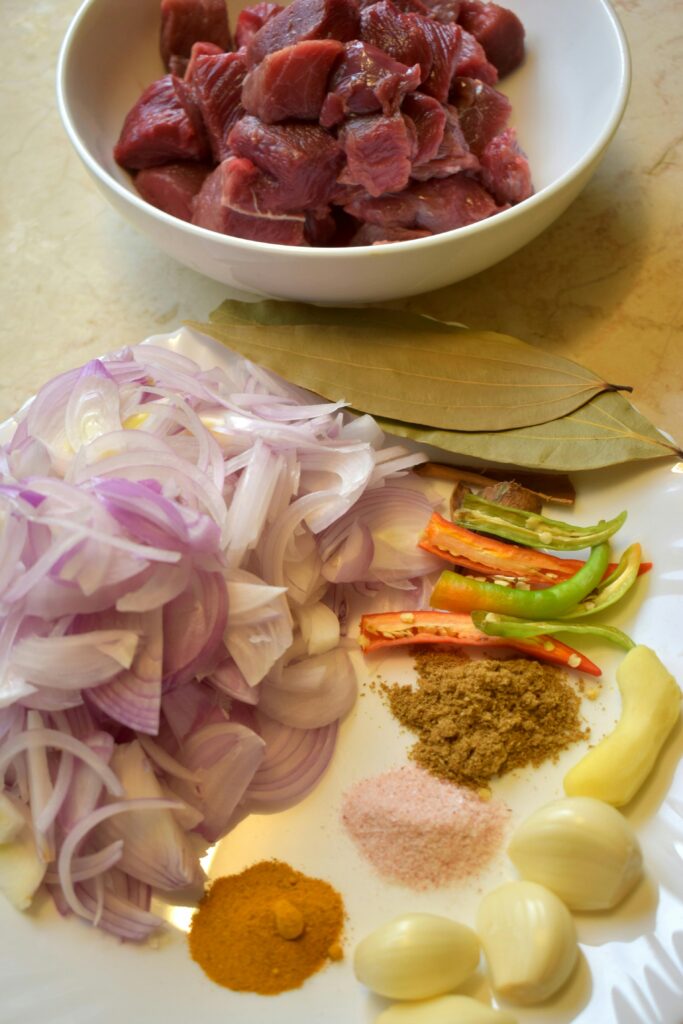
Deep Dive into Ingredient Science for the Namkeen Gosht Recipe
Mutton Selection and Preparation Science
Choose 1.5 kg to 2 kg (3.3 to 4.4 lbs) bone-in mutton for best results when scaling. The science involves collagen conversion: low temperatures (around 85-95°C / 185-203°F) slowly transform tough connective tissues into silky gelatin.
Recommended Cuts:
- Shoulder: Marbled, flavorful (best overall).
- Leg: Leaner but excellent with bones.
- Mix of both for balanced texture.
Preparation: Rinse 1.5 kg (3.3 lbs) mutton under cold water. Pat dry completely. Cut into uniform 5-8 cm (2-3 inch) pieces. Keeping some fat (about 15-20% visible) ensures self-basting during cooking.
Salt: The Master Enhancer
Use 1.5 to 2.25 teaspoons (7.5-11 g) kosher salt for 1.5 kg meat. Salt initially draws out moisture, creates a brine effect, then helps juices redistribute. This osmotic process is crucial for the juicy namkeen gosht with green chillies outcome.
Black Pepper: Aroma and Subtle Heat
Freshly crush 1.5 teaspoons (3-4 g) whole black peppercorns. Piperine in pepper enhances bioavailability of other nutrients and provides gentle warmth that builds gradually.
Green Chilies: Bright Notes and Gentle Spice
Select 8-12 medium green chilies (80-120 g). Slit them lengthwise to control heat release. They contribute vitamin C and essential oils that brighten the savory profile without dominating.
Water Management: Begin with only 80-150 ml (⅓ to ⅔ cup). The meat releases 300-500 ml of liquid naturally during cooking.
Optional but Recommended for Depth: A 2.5 cm (1 inch) piece of ginger (15 g), smashed.
Essential Kitchen Equipment for Perfect Results
- 6-8 quart heavy Dutch oven or stainless pot with lid
- Reliable stove for consistent low flame
- Digital kitchen scale for precision
- Instant-read thermometer (optional but helpful)
- Slotted spoon and wooden spatula
Choosing the Right Pot: Dutch Oven Versus Pressure Cooker Versus Clay Pot
The pot you choose has a real impact on how this Namkeen Gosht Recipe turns out, since different materials retain and distribute heat differently during the long slow simmer this dish depends on.
A heavy Dutch oven remains the most reliable choice for the classic Namkeen Gosht Recipe. Its thick walls distribute heat evenly, preventing the hot spots that cause sticking or uneven cooking near the base. Cast iron or enameled cast iron Dutch ovens hold steady low heat for extended periods, which matters enormously for a dish that relies on gentle, patient cooking rather than high heat shortcuts. If you already own one, this is the pot to reach for.
A pressure cooker, whether stovetop or electric, offers a faster route to the same tender result. Because pressure cooking raises the boiling point of liquid inside a sealed pot, collagen breaks down faster than it would in an open simmer. This makes the pressure cooker version of the Namkeen Gosht Recipe a practical option on busy Eid mornings when time is tight but the classic soft texture is still the goal. The tradeoff is slightly less concentrated flavor in the broth, since less evaporation occurs during pressure cooking. A short uncovered reduction at the end, once pressure is released, helps restore that glossy coating typical of the traditional version.
Traditional clay pots, still used in many households across Pakistan, offer something neither steel nor cast iron fully replicates. The porous surface of unglazed clay allows gentle moisture exchange during cooking, which many home cooks feel produces an even more tender result with a subtly different aroma. Clay pots require lower heat and slower adjustments, since sudden temperature changes can crack them, but for those with access to one and the patience to use it, this method connects the dish back to its most traditional roots.
Whichever pot you choose for your Namkeen Gosht Recipe, avoid thin aluminum pots without a heavy base, since these heat unevenly and increase the risk of scorching the bottom layer before the meat has fully released its juices.
Planning Your Eid Day Cooking Timeline
Eid ul Adha mornings are rarely calm in most kitchens, with multiple dishes competing for stove space and attention. Building a realistic timeline around this Namkeen Gosht Recipe helps the day run smoothly instead of turning into a stressful scramble.
If mutton is freshly available that morning, plan for the meat to reach your kitchen with enough buffer time before guests arrive. Since the full Namkeen Gosht Recipe requires roughly two to two and a half hours of mostly hands off cooking, starting the pot within the first hour after the meat is cleaned and prepared gives comfortable breathing room for everything else on the menu.
A practical approach many households use is to start the Namkeen Gosht Recipe first, before any other dish, precisely because it needs the least active attention once it reaches a simmer. After the initial 20 to 30 minutes of monitoring the pot as it comes to a boil and drops to low heat, the dish essentially takes care of itself, checked only every 20 minutes or so. This window is ideal for preparing other dishes, setting the table, or handling guests, since the mutton does not need constant stirring or supervision the way a fried or stir cooked dish would.

For households making several meat dishes for Eid, staggering start times prevents every pot from needing attention at the same moment. Since the Namkeen Gosht Recipe is largely self managing during its long simmer phase, it pairs well as the first dish started and the last one finished, timed so the final reduction step, when the sauce is uncovered and thickened, happens close to serving time.
If you are hosting a larger gathering and doubling or tripling the recipe, remember that a larger volume of meat in the pot changes timing slightly, often adding 20 to 30 minutes to the simmer phase since the pot takes longer to reach and maintain the target temperature throughout a bigger batch. Build this into your morning schedule rather than assuming cook time stays fixed regardless of quantity.
For those balancing the Namkeen Gosht Recipe with baked items, such as bringing a dessert to the table as well, the low, mostly unattended nature of this dish makes it easy to run alongside oven based baking without either dish demanding your full attention at the same time. Many home cooks find that starting the mutton first, then using the quieter middle stretch of its simmer to prepare a cake or dessert, is the most efficient way to manage an Eid morning with several dishes on the menu.
Finally, build in the 15 minute resting period at the end of the Namkeen Gosht Recipe into your timeline rather than treating it as optional. Guests rarely mind a short wait once food is visibly ready, and that final rest is what locks in the juiciness this dish is known for. Serving too early, straight off the heat, noticeably reduces the tenderness that slow cooking worked to achieve.
Complete Step-by-Step Instructions
Yield: 6-8 generous servings Total Time: 2 to 2.5 hours
Phase 1: Preparation (15-20 minutes)
- Rinse and dry 1.5 kg (3.3 lbs) mutton thoroughly.
- Season evenly with 1.5 tsp (7.5 g) salt.
Phase 2: Initial Release of Juices (25-35 minutes)
Place meat in pot with 80 ml (⅓ cup) water. Bring to boil over medium heat, then reduce to lowest flame. Cover. Observe as the pot fills with natural broth — this is the foundation of flavor in the Namkeen Gosht Recipe.
Phase 3: Aromatics Addition (After 30 minutes)
Add 1.5 tsp (3-4 g) crushed black pepper and 8-12 slit green chilies. Stir gently once. Maintain very low simmer. The kitchen aroma at this point is signature to Peshawari style namkeen gosht easy.
Phase 4: Long Slow Simmer (75-110 minutes)
Check every 20 minutes, stirring minimally. Target internal temperature around 90-95°C. Fork should glide through meat easily. In final 15-20 minutes, uncover partially to reduce sauce to a glossy coating that clings to the tender mutton pieces.
Phase 5: Resting (15 minutes)
Rest covered off heat. This step is non-negotiable for maximum juiciness in soft mutton with rotis eid special presentations.
Visual and Texture Goals: Meat should be fork-tender, sauce lightly coating rather than soupy, color rich golden-brown from natural Maillard reactions.
Expanded Nutritional Analysis and Health Benefits
Per serving (approx 250g meat):
- Protein: 38-45g
- Calories: 420-480
- Healthy fats from marrow and natural oils
- Rich in heme iron, zinc, selenium, and B vitamins.
This healthy Eid mutton recipe no heavy masala supports muscle maintenance, immune function, and sustained energy. Low carbohydrate profile makes it suitable for various eating patterns.
Extensive Serving Suggestions and Pairing Guide
Traditional: Hot fresh rotis or naan with sliced red onions and lemon.
Western Adaptations:
- With buttered basmati rice and steamed broccoli.
- Over creamy polenta with fresh herbs.
- In lettuce wraps for low-carb option.
Full Meal Ideas: Include mint yogurt raita, cucumber salad, and roasted carrots for balanced plates.
Five Delicious Variations with Full Instructions
Variation 1: Simple Mutton Rosh Recipe Eid Style
Add 2 medium onions (300g) thinly sliced at the start. Follow same steps. Slightly sweeter profile.
Variation 2: Instant Pot Eid ul Adha Quick Mutton Pot Recipe
Use sauté mode for initial steps, then pressure cook 45 minutes on high, natural release 15 minutes, then reduce sauce.
Variation 3: Mildly Aromatic Family Version
Add 1 tsp cumin seeds and 1 bay leaf with pepper and chilies.
Variation 4: Lean Protein Focused Version
Use 1.5 kg trimmed lamb leg + 200 ml bone broth. Adjust cooking time slightly shorter.
Variation 5: Large Batch Party Version (3 kg / 6.6 lbs)
Scale all ingredients proportionally. Use widest pot possible. Cooking time approximately 2.5-3 hours.
Advanced Storage, Reheating, and Meal Prep Strategies
Refrigeration: Up to 5 days in airtight containers. Freezing: Portion into freezer-safe bags up to 3 months. Reheating Protocol: Low heat stovetop with 2-4 tbsp water per portion. Stir gently. Microwave in 30-second bursts with moisture added.
Meal Prep Tips: Cook double batch on weekends for easy weekday beginner namkeen gosht leftovers friendly meals.
Comprehensive Troubleshooting Guide: Common Mistakes and Solutions
- Meat Turns Out Tough → Extend low-flame time or use pressure cooker method.
- Too Watery → Uncover and reduce on medium-low at the end.
- Lacking Flavor → Ensure fresh spices and proper resting.
- Burning/Sticking → Use heavier pot and stir less frequently.
- Overly Spicy → Remove some chilies midway or serve with cooling sides.
Additional tips address altitude, different stove types, and meat variations.

5 Detailed Frequently Asked Questions
1. Can I use beef instead of mutton?
Yes. Choose well-marbled cuts and cook 30-60 minutes longer for tender results in the Namkeen Gosht Recipe.
2. Is it possible to make this dish completely mild?
Absolutely. Use fewer chilies or mild peppers and rely more on black pepper for gentle warmth.
3. What is the best cut for beginners?
Bone-in shoulder offers forgiveness and rich flavor.
4. Can this be made ahead for parties?
Yes. Prepare 1-2 days in advance and reheat gently. Flavors improve.
5. How do I scale this for a large Eid gathering?
Double or triple ingredients. Cook in batches or use multiple pots for even results.
Additional Tips for Success
- Source high-quality meat from trusted butchers.
- Experiment with different chili varieties for nuanced heat.
- Always taste and adjust salt at the end.
- Pair with fresh herbs like cilantro or mint for brightness.
This tender mutton low flame recipe rewards practice. Each attempt brings greater confidence and better understanding of the beautiful simplicity behind the Recipe.
Conclusion: Bring This Timeless Dish to Your Table
The Namkeen Gosht Recipe proves that exceptional food often comes from respect for ingredients and time-honored techniques rather than complexity. Whether you choose the classic version or one of the many delicious variations, you will create memorable meals featuring juicy, aromatic, and incredibly tender mutton.
We hope this detailed guide inspires you to try the easy 4 ingredient Namkeen Gosht Recipe soon. Share your results and enjoy the process of creating something truly special for family and friends.


