
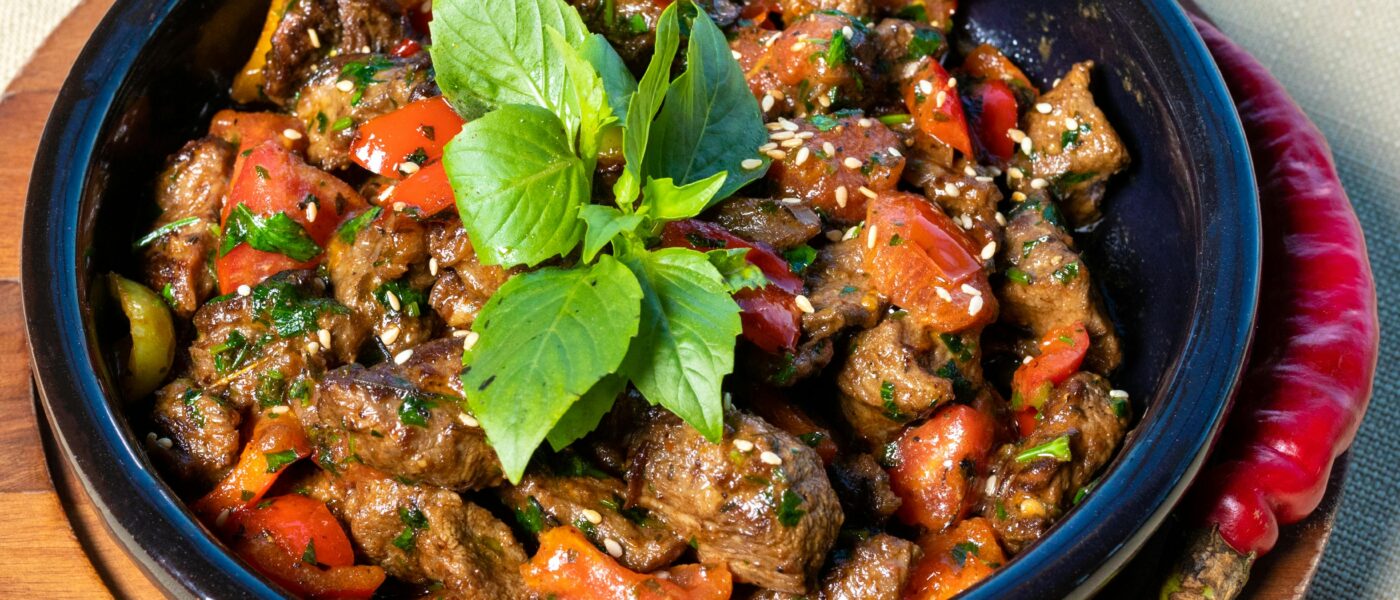
Looking for a quick mutton kaleji recipe? This fried lamb liver recipe is easy and perfect for Eid ul Adha breakfast ideas. Learn how to make kaleji soft and tender plus tips for soft kalej and how to remove smell from kaleji.
Table of Contents
History and Cultural Importance of Mutton Kaleji Recipe
Mutton Kaleji Recipe has been a beloved delicacy across South Asia for centuries, especially during Eid ul Adha when fresh liver is abundantly available. In Pakistani and Indian households, this dish is often the star of the breakfast table on Eid morning. Its quick cooking time and rich nutrition made it a practical yet festive choice for large family gatherings.
Mutton Kaleji Recipe: A Classic Spicy Liver Dish Made Accessible
Mutton kaleji, also known as mutton liver, holds a special place in many traditional cuisines for its rich flavor and nutritional profile. This mutton kaleji recipe transforms humble liver into a tender, aromatic dish that pairs beautifully with flatbreads or rice. Whether adapting it as a quick liver recipe for beginners or exploring it within Eid breakfast recipes easy style, the focus remains on proper preparation for the best results.
This guide provides detailed instructions, ingredient science, and practical advice tailored for Western kitchens while honoring the dish’s roots. Expect a savory, spiced profile reminiscent of liver and onions recipe favorites but elevated with South Asian spices.
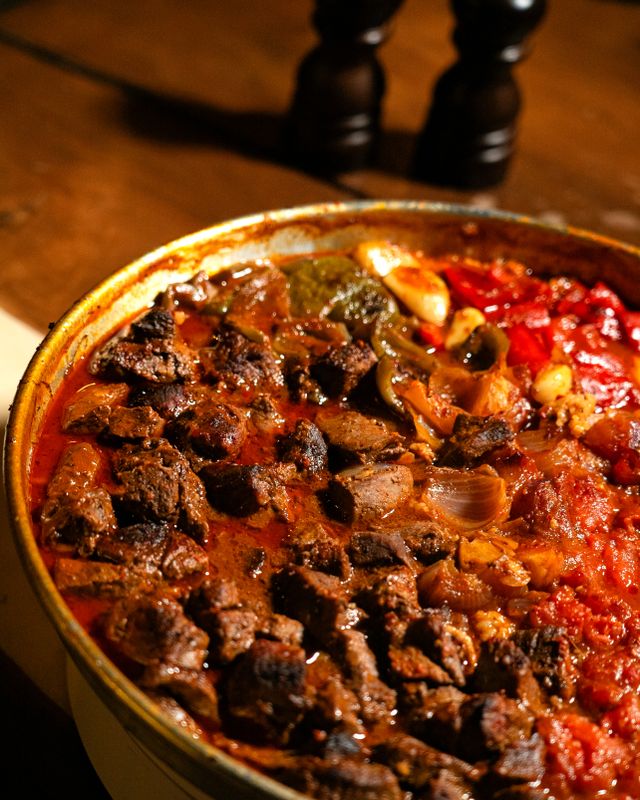
Ingredients
Method
- Clean the Liver (How to Clean Liver Before Cooking):
- Rinse the liver under cold running water. Trim and discard any membranes, veins, or tough connective tissue. Cut into 1-inch (2.5 cm) bite-sized pieces. Soak in milk mixed with lemon juice/vinegar for 30–60 minutes in the refrigerator. Drain, rinse thoroughly under cold water, and pat completely dry with paper towels. This step is essential for how to cook liver without smell.
- Heat the Pan:
- Heat ghee or oil in a large skillet or wok over medium-high heat until hot.
- Temper the Spices:
- Add cumin seeds and let them sizzle for 20–30 seconds.
- Sauté Onions:
- Add sliced onions. Cook, stirring occasionally, until golden brown (8–10 minutes).
- Add Aromatics:
- Stir in ginger-garlic paste and slit green chilies. Cook for 1–2 minutes until fragrant.
- Cook the Liver:
- Add the cleaned liver pieces. Stir-fry on high heat for 3–4 minutes until the exterior changes color and firms slightly. Do not over-stir initially to allow proper searing.
- Build the Masala:
- Add chopped tomatoes, turmeric powder, red chili powder, coriander powder, and salt. Cook for 4–5 minutes until tomatoes soften and form a thick sauce.
- Simmer:
- Reduce heat to medium. Stir in yogurt (if using). Cover and cook for 5–7 minutes maximum. Liver cooks quickly—remove from heat while still slightly pink inside for tenderness.
- Finish:
- Sprinkle garam masala, stir gently, and turn off the heat. Garnish with fresh cilantro. Serve hot with lemon wedges.
Understanding Mutton Kaleji: Nutrition and Ingredient Science
Liver is one of the most nutrient-dense foods available. A serving of mutton kaleji delivers high levels of vitamin A, B12, iron, and copper—essential for energy, immune function, and blood health. The unique texture comes from its high protein content and low fat compared to muscle meats.
Key ingredients in this mutton kaleji recipe contribute specific benefits:
- Onions: Provide sulfur compounds that enhance flavor depth and act as natural tenderizers through enzymatic action during cooking.
- Tomatoes: Add acidity that helps break down proteins in the liver, contributing to tenderness while balancing spices.
- Ginger and Garlic: Contain enzymes and antimicrobial properties. Ginger aids digestion, while garlic’s allicin offers anti-inflammatory effects.
- Spices like Turmeric and Chili: Turmeric’s curcumin offers antioxidant properties; chilies bring capsaicin for metabolism support.
- Dairy or Acid Soaks: Milk proteins bind to compounds causing strong odors, while acids like lemon or vinegar denature proteins for milder taste and better texture.
Proper handling maximizes these benefits and minimizes any gamey notes common in organ meats.
Choosing the Best Liver & Where to Buy
For the best Mutton Kaleji Recipe, always choose fresh, bright reddish-brown liver with no strong odor. Avoid frozen if possible. In Western countries, you can find good quality lamb or goat liver at halal butcher shops, Asian grocery stores, or online meat delivery services.
How to Clean Liver Before Cooking: Essential Preparation Steps
Cleaning is crucial for a pleasant final dish. Fresh mutton or lamb liver works best.
Ingredients for Cleaning (for 1 lb / 450g liver):
- 1 lb (450g) fresh mutton or lamb liver
- 2 cups (475ml) cold milk or buttermilk
- 1 tbsp (15ml) lemon juice or vinegar
- Cold water for rinsing
Steps:
- Rinse the liver under cold running water to remove surface blood.
- Pat dry and trim any membranes, veins, or tough connective tissue using a sharp knife. These parts contribute to chewiness and stronger flavors.
- Place pieces in a bowl and cover with milk mixed with lemon juice. Soak for 30-60 minutes (or up to 2 hours in the refrigerator). This step is key for how to cook liver without smell.
- Drain, rinse thoroughly under cold water, and pat completely dry with paper towels.
This process reduces metallic or strong odors significantly, making it suitable even for those new to organ meats.

Essential Ingredients for the Mutton Kaleji Recipe
For the Base Recipe (Serves 4-6):
- 1 lb (450g) cleaned mutton or lamb liver, cut into 1-inch (2.5cm) bite-sized pieces
- 3 medium onions (about 1.5 cups / 225g sliced)
- 2 medium tomatoes (about 1.5 cups / 300g chopped)
- 2 tbsp (30ml) ginger-garlic paste (or 1 tbsp each minced fresh)
- 4-6 green chilies (adjust for heat), slit lengthwise
- 4 tbsp (60ml) ghee or neutral oil (ghee preferred for richer flavor)
- 1 tsp (5ml) cumin seeds
- 1/2 tsp (2.5ml) turmeric powder
- 1-2 tsp (5-10ml) red chili powder (adjust to taste)
- 1 tbsp (15ml) coriander powder
- 1/2 tsp (2.5ml) garam masala
- 1 tsp (5ml) salt, or to taste
- 1/4 cup (60ml) plain yogurt (optional, for extra tenderness)
- Fresh cilantro for garnish
- Lemon wedges for serving
These measurements ensure balanced flavors in this spicy liver curry recipe.
Step-by-Step Instructions for the Classic Mutton Kaleji Recipe
Follow these steps carefully for tender results in this tender liver fry recipe.
- Heat the Pan: Warm 4 tbsp (60ml) ghee or oil in a large skillet or wok over medium-high heat until shimmering.
- Temper Spices: Add cumin seeds and let them sizzle for 20-30 seconds. This releases essential oils for aromatic base.
- Cook Onions: Add sliced onions and sauté until golden brown, about 8-10 minutes. Stir occasionally. Golden onions provide sweetness that counters the liver’s richness, similar to a liver and onions recipe.
- Add Aromatics: Stir in ginger-garlic paste and green chilies. Cook for 1-2 minutes until fragrant.
- Introduce Liver: Add the cleaned liver pieces. Stir-fry on high heat for 3-4 minutes. The high heat sears the exterior quickly, locking in juices for tenderness. Avoid overcrowding the pan.
- Build the Curry: Add chopped tomatoes, turmeric, red chili powder, coriander powder, and salt. Cook for 4-5 minutes until tomatoes break down into a thick masala.
- Simmer Gently: Reduce heat to medium. If using yogurt, stir it in now (whisked smooth to prevent curdling). Cover and cook for 5-7 minutes maximum. Liver cooks rapidly—overcooking leads to toughness.
- Finish: Sprinkle garam masala, stir gently, and remove from heat. Garnish with cilantro. Total active cooking time after cleaning: about 20-25 minutes.
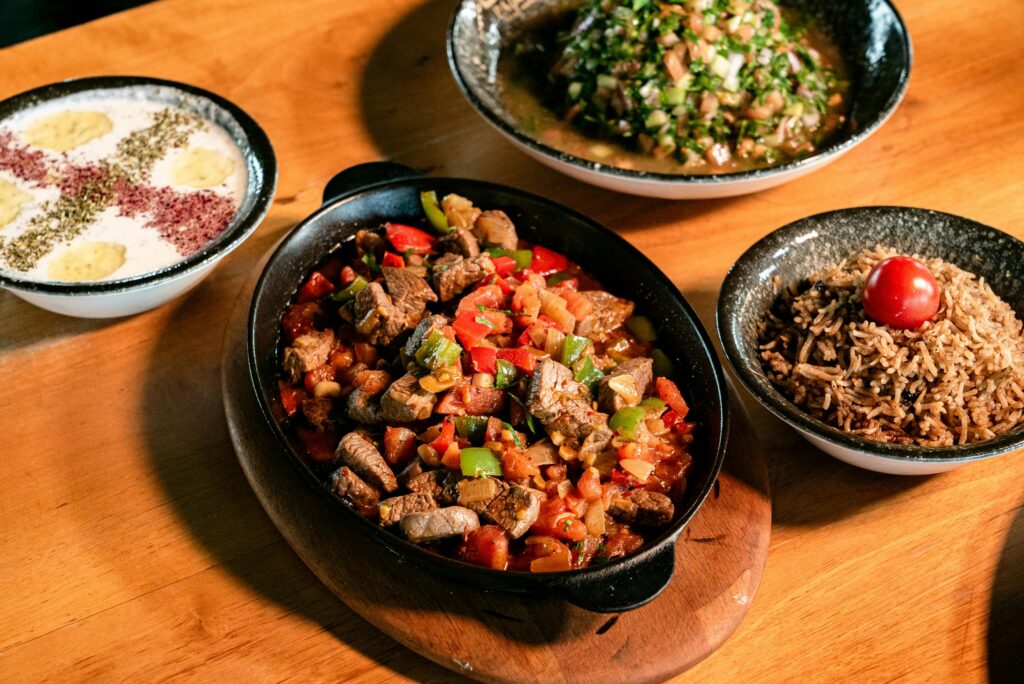
Serve hot with naan, paratha, or rice. This qualifies as one of the mutton liver recipe for breakfast options due to its quick preparation.
Achieving Tenderness: Science and Techniques for Tender Liver Fry Recipe
Liver’s texture improves with minimal cooking time. Its proteins tighten quickly above certain temperatures, turning rubbery. High initial heat followed by brief simmering preserves a pinkish interior for optimal tenderness.
Additional tips:
- Cut pieces uniformly for even cooking.
- Rest the dish briefly off-heat; residual heat continues gentle cooking.
- Acidic elements (tomatoes, lemon) help tenderize via protein denaturation.
Liver Fry Recipe Pakistani Style Variation
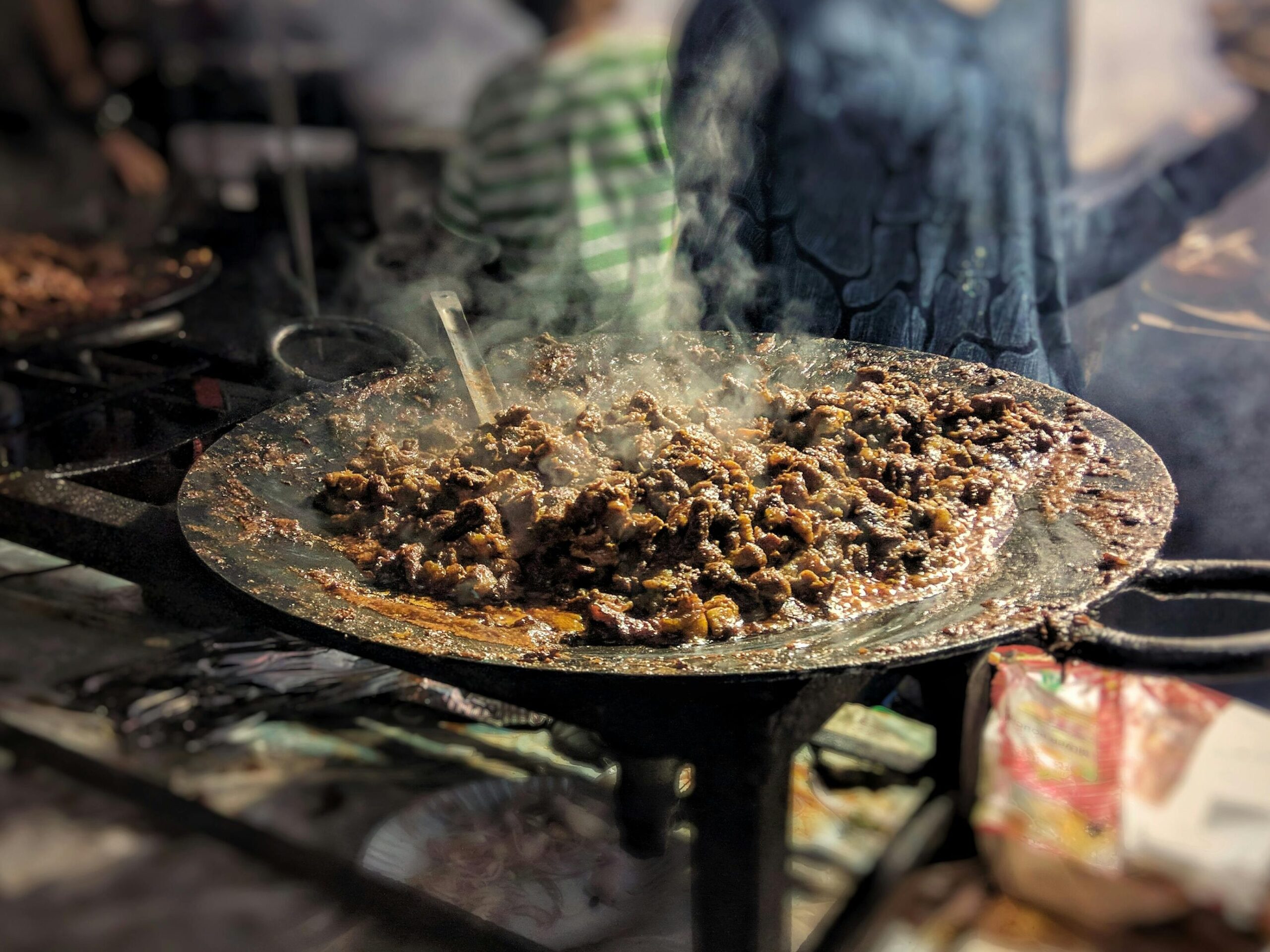
For a drier, street-food inspired version popular in Pakistani cuisine (liver fry recipe Pakistani):
- Reduce tomatoes or omit for a bhuna (dry-fried) style.
- Increase spices slightly and finish with a squeeze of lemon.
- Shallow-fry marinated liver pieces first for crispy edges, then toss in spiced onions.
Marinate cleaned liver for 20-30 minutes in yogurt, spices, and lemon before frying. This variation works well as a quick liver recipe for beginners seeking bolder textures.
Spicy Liver Curry Recipe with Western Adaptations
Adapt this spicy liver curry recipe for Western palates:
- Use milder chilies or smoked paprika for depth without intense heat.
- Incorporate Worcestershire sauce or mustard for umami.
- Serve over mashed potatoes or with crusty bread instead of traditional flatbreads.
Add bell peppers or spinach for color and extra nutrients.
Quick Liver Recipe for Beginners: Simplified Version
For those short on time:
- Use pre-cleaned liver and pre-made ginger-garlic paste.
- One-pan method: Sauté everything sequentially without separate marination.
- Total time under 30 minutes post-cleaning, fitting perfectly into Eid breakfast recipes easy or busy weekday meals.
Pairings and Serving Suggestions
Pair mutton kaleji with:
- Fresh naan or roti for scooping the masala.
- Cucumber raita to cool spice.
- Pickled onions for brightness.
- For Western meals: With eggs for breakfast or alongside rice pilaf.
Meal Prep & Make-Ahead Tips
You can clean and marinate the liver up to 24 hours in advance. Prepare the masala base a day before and store separately. This makes the Mutton Kaleji Recipe perfect for busy mornings or when hosting guests.
Storage Tips for Mutton Kaleji
Refrigerator: Cool completely and store in an airtight container for up to 2 days. Reheat gently on stovetop with a splash of water to restore moisture.
Freezer: Portion into freezer-safe bags, removing air. Freeze up to 1 month. Thaw overnight in refrigerator and reheat thoroughly. Note: Texture may soften slightly upon thawing.
Avoid repeated freezing as it affects tenderness.
Common Mistakes to Avoid When Making Mutton Kaleji Recipe
- Overcooking: Leads to tough, dry liver. Stick to short cook times.
- Insufficient Cleaning: Skipping soak results in stronger odors—always address how to cook liver without smell.
- Low Heat Searing: Fails to seal juices; use high heat initially.
- Overloading Spices: Start moderate, especially turmeric, which can bitter if overused.
- Using Frozen Liver Without Proper Thaw: Can lead to uneven cooking and excess moisture. Thaw slowly in fridge.
- Stirring Too Frequently: Allows juices to escape; let pieces sear undisturbed initially.
Mastering these ensures consistent success with this easy lamb liver recipe.
Nutritional Information (Per Serving, Approximate)
- Calories: 280-350
- Protein: 25-30g
- Iron: Significant daily value contribution
- Adjust based on exact portions and sides.
Variations to Explore
- Creamy Version: Add coconut milk or heavy cream at the end for a milder curry.
- Grilled Skewers: Marinate and grill liver pieces for a smoky tender liver fry recipe.
- With Eggs: Scramble or boil eggs into the curry for a hearty breakfast.
- Vegetable Boost: Add potatoes or peas for bulk.
These options expand the versatility of the base mutton kaleji recipe.
Why This Dish Fits Modern Tables
Organ meats like liver offer sustainable, affordable nutrition. This mutton kaleji recipe bridges traditional techniques with accessible methods, making it approachable for home cooks seeking variety.
How Much Liver Is Safe to Eat: A Portion Guide
Liver is one of the most nutrient dense foods you can cook, but that density is exactly why portion size matters more with this Mutton Kaleji Recipe than with regular muscle meat dishes. Mutton liver is extremely high in vitamin A, specifically in the preformed retinol form, which the body absorbs directly and stores in the liver over time. Unlike plant based vitamin A from carrots or sweet potatoes, this form can build up to harmful levels if eaten in very large amounts very often.
A single 100 gram serving of cooked lamb or mutton liver can provide several times the recommended daily intake of vitamin A. This is not a reason to avoid kaleji, it is simply a reason to treat it as an occasional dish rather than a daily staple, which is what most nutrition guidelines recommend for organ meat. Most health guidelines suggest limiting liver consumption to once or twice a week for adults, and less frequently for pregnant women, since excess vitamin A during pregnancy has been linked to developmental concerns. Children can enjoy small portions, but very young children should have smaller and less frequent servings given their lower body weight.
For a typical family meal, a serving size of around 100 to 120 grams of cooked liver per adult is generous and satisfying without tipping into excess. If you are serving this dish as part of a larger Eid spread with multiple meat dishes, an even smaller portion, closer to 60 to 80 grams per person, still delivers the iron and protein benefits without anyone overdoing their vitamin A intake for the day.
It is also worth knowing that cooking method does not reduce the vitamin A content, only raw versus cooked weight changes the concentration slightly. So a well cooked, tender kaleji has essentially the same nutrient load as a rare one, the main difference is texture and safety from a food handling perspective, not nutrition.
Quick Troubleshooting: Fixing Common Problems
Even with the steps above, liver can go wrong in a few predictable ways. Here is how to fix the most common issues with this Mutton Kaleji Recipe.
Liver turned rubbery or chewy: This almost always means it was cooked too long or at too low a heat for too long. Liver needs a hot pan and a short cooking window. If this happens, there is no real fix for that batch, but next time reduce total simmer time to under 5 minutes after adding the liver.
Kaleji tastes bitter: This is usually caused by overcooked turmeric or by not trimming the greenish bile duct area properly during cleaning. Always check liver pieces for any greenish tinge before cooking and trim it away completely.
Still smells strong after cooking: This means the milk or acid soak step was skipped or too short. Next time, soak for the full 30 to 60 minutes and make sure the liver is fully submerged.
Curry turned watery: Liver releases some moisture as it cooks. If your curry looks thin, uncover the pan for the last 2 to 3 minutes on medium heat to let excess liquid reduce, rather than raising the heat, which risks toughening the liver.
Pieces cooked unevenly: This usually comes down to inconsistent cutting. Aim for uniform 1 inch pieces so everything finishes at the same time.
Boosting Iron Absorption From This Dish
Pairing this Mutton Kaleji Recipe with the right sides can significantly increase how much iron your body actually absorbs. Liver contains heme iron, which is already well absorbed, but adding a source of vitamin C to the same meal pushes absorption even higher. A simple squeeze of lemon over the finished dish, or a side of sliced tomatoes and cucumber, works well. On the other hand, drinking tea or coffee immediately after the meal can reduce iron absorption, since compounds in these drinks bind to iron before the body can use it. Saving your tea for an hour later makes a real difference.
FAQs
- How do I make this as a quick liver recipe for beginners?
Focus on thorough cleaning and short cooking times. Use the simplified one-pan method for excellent results with minimal experience. - What is the best way for how to clean liver before cooking?
Soak in milk with a touch of acid, trim membranes, and rinse well. This is fundamental for pleasant flavor. - Can this mutton kaleji recipe be adapted into Eid breakfast recipes easy?
Absolutely. Prepare components ahead and cook fresh in the morning for a festive yet manageable meal. - How do I ensure tenderness in this tender liver fry recipe?
High-heat sear followed by brief simmer prevents toughness. Do not exceed recommended times. - Is there a way to make a milder version of this spicy liver curry recipe?
Reduce chilies, add yogurt or cream, and balance with sweeter onions for broader appeal.
This comprehensive mutton kaleji recipe delivers restaurant-quality results at home. Experiment with the variations to suit your preferences while enjoying its nutritional benefits.


